

 °C
°C SPCC steps up GLOF preparedness with new early warning project in Khumbu region
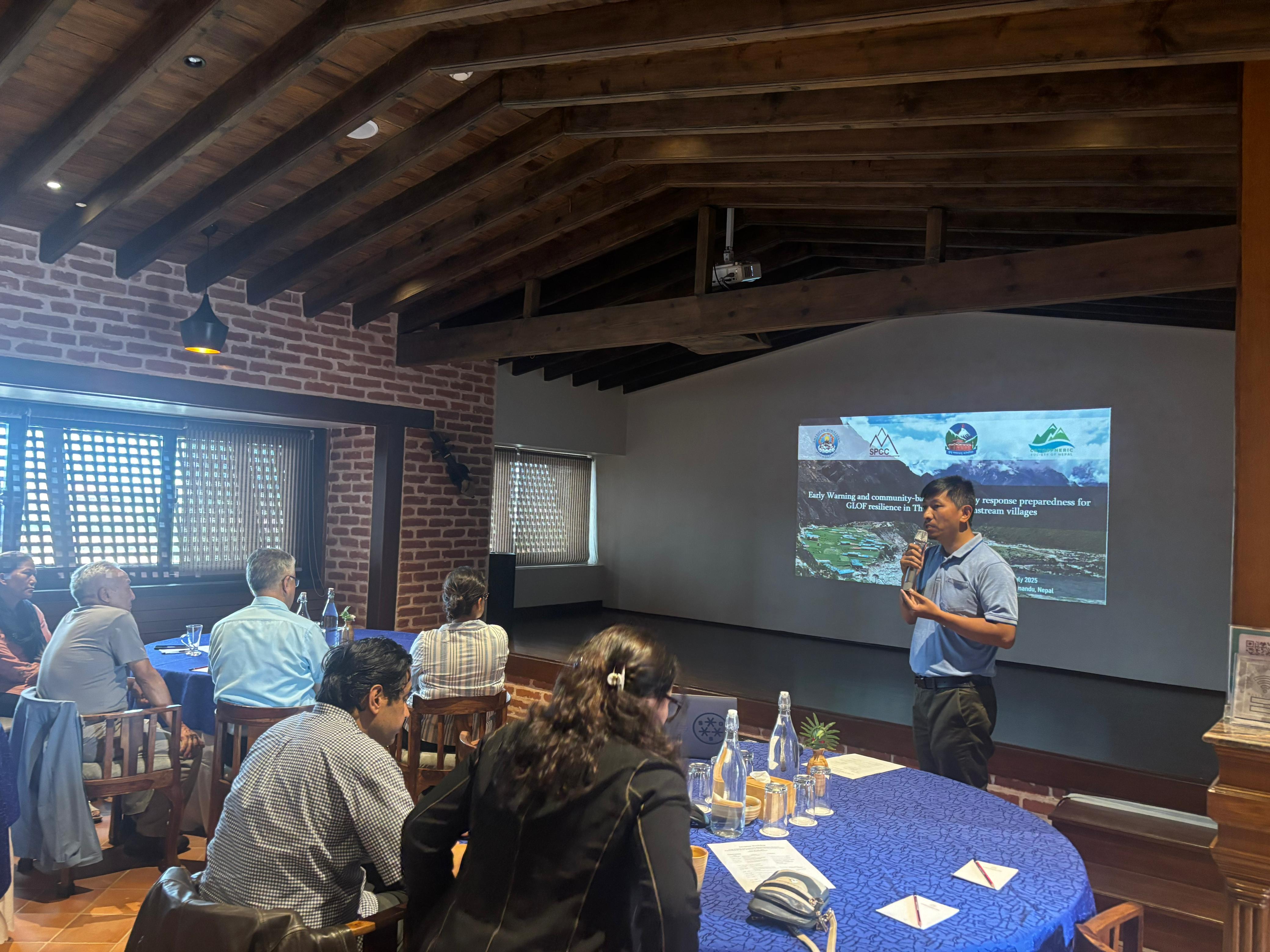
KATHMANDU: The Sagarmatha Pollution Control Committee (SPCC) has rolled out a new project to protect the mountain communities in Khumbu region from the growing threat of glacial lake outburst floods (GLOFs). The project will focus on early warning systems, community training and inclusive disaster preparedness planning.
The project, 'Early Warning and Community-Based Emergency Response Preparedness for GLOF Resilience in Thame and Downstream Villages', was officially introduced at an inception workshop in Kathmandu on Wednesday. It is supported by the American Himalayan Foundation (AHF) and carried out in partnership with the Khumbu Pasang Lhamu Rural Municipality (KPLRM) and the Cryospheric Society of Nepal (CSN).
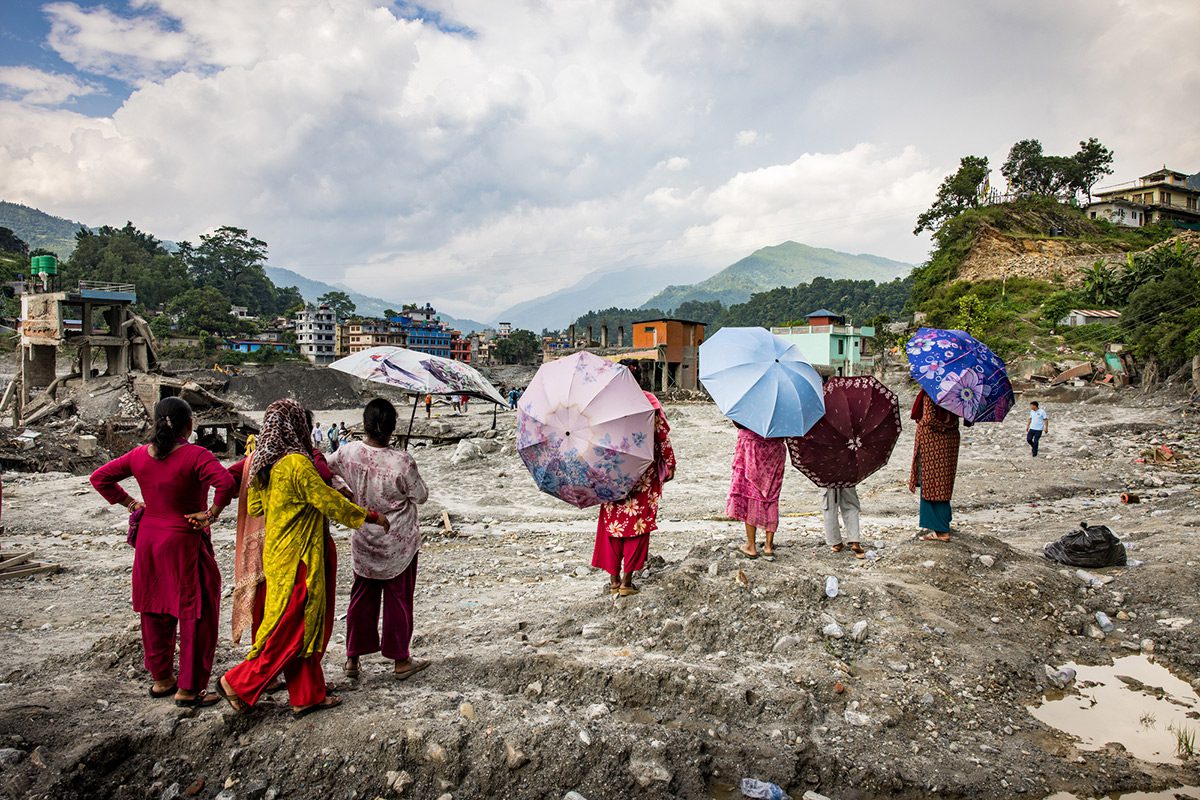
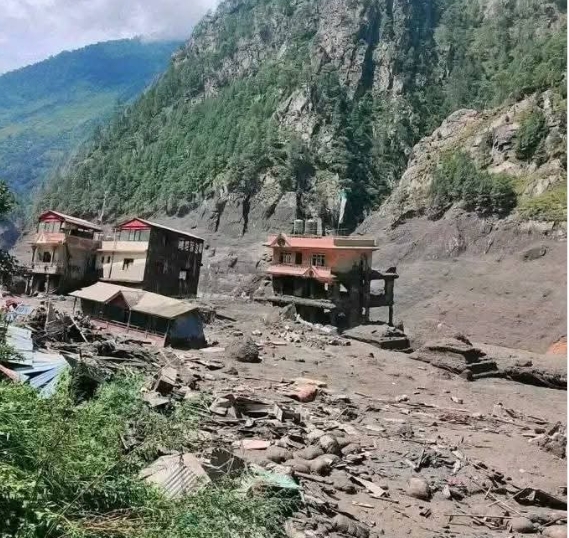
Last August, a sudden GLOF from Ngole Lake caused heavy damage to homes, trails, and infrastructure in Thame village, disrupting daily life and trekking activities in the area. While no lives were lost, the incident highlighted how fragile the Everest region is to climate-induced disasters.
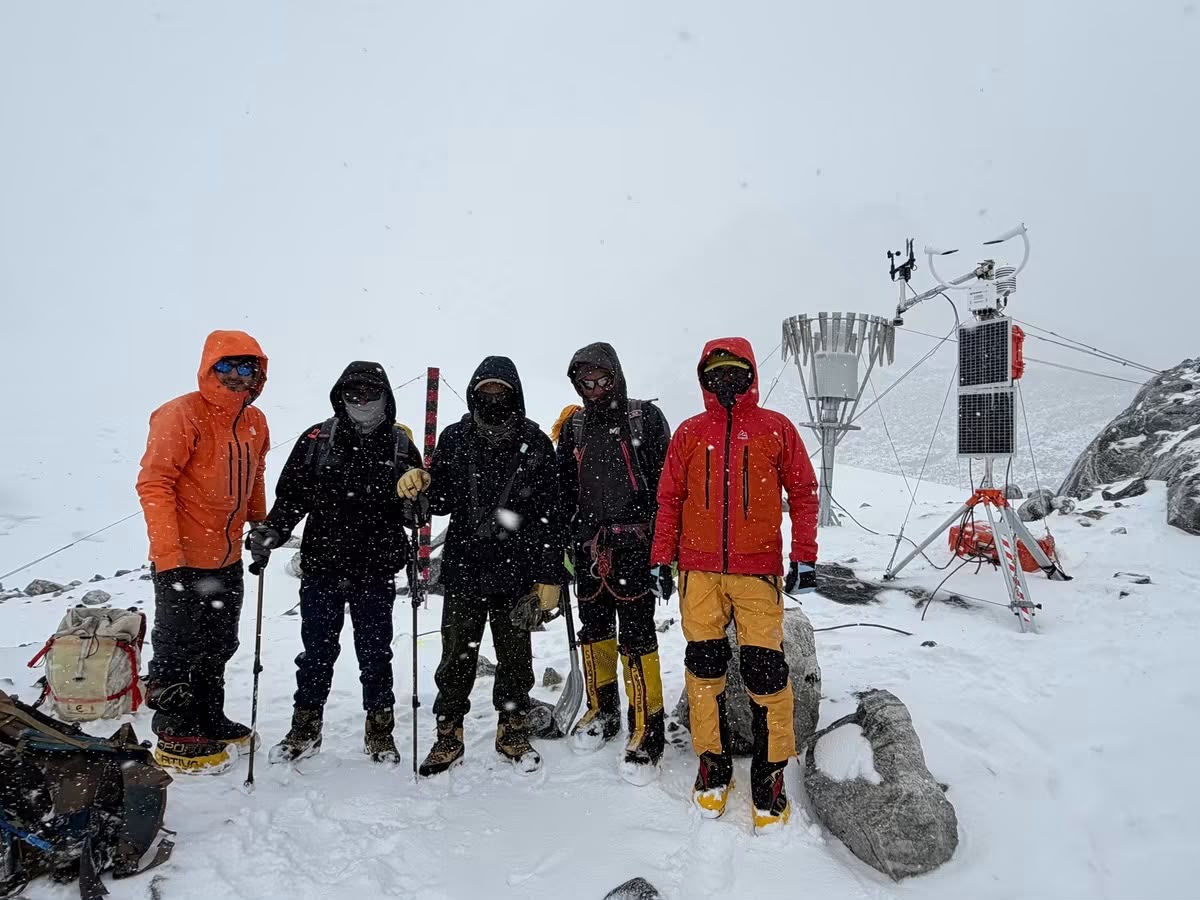
SPCC Program Coordinator Pasang Ngima Sherpa emphasized that the project was developed with direct involvement from Indigenous Peoples and Local Communities (IPLCs) and follows internationally recognized guidelines for community-based early warning systems. The new project plans to install early warning devices, including siren systems, hydrological sensors, and SMS alerts, to warn locals and trekkers of potential floods. Village-level response teams will be formed, and communities will receive training on evacuation routes and safety measures to minimize future risks.
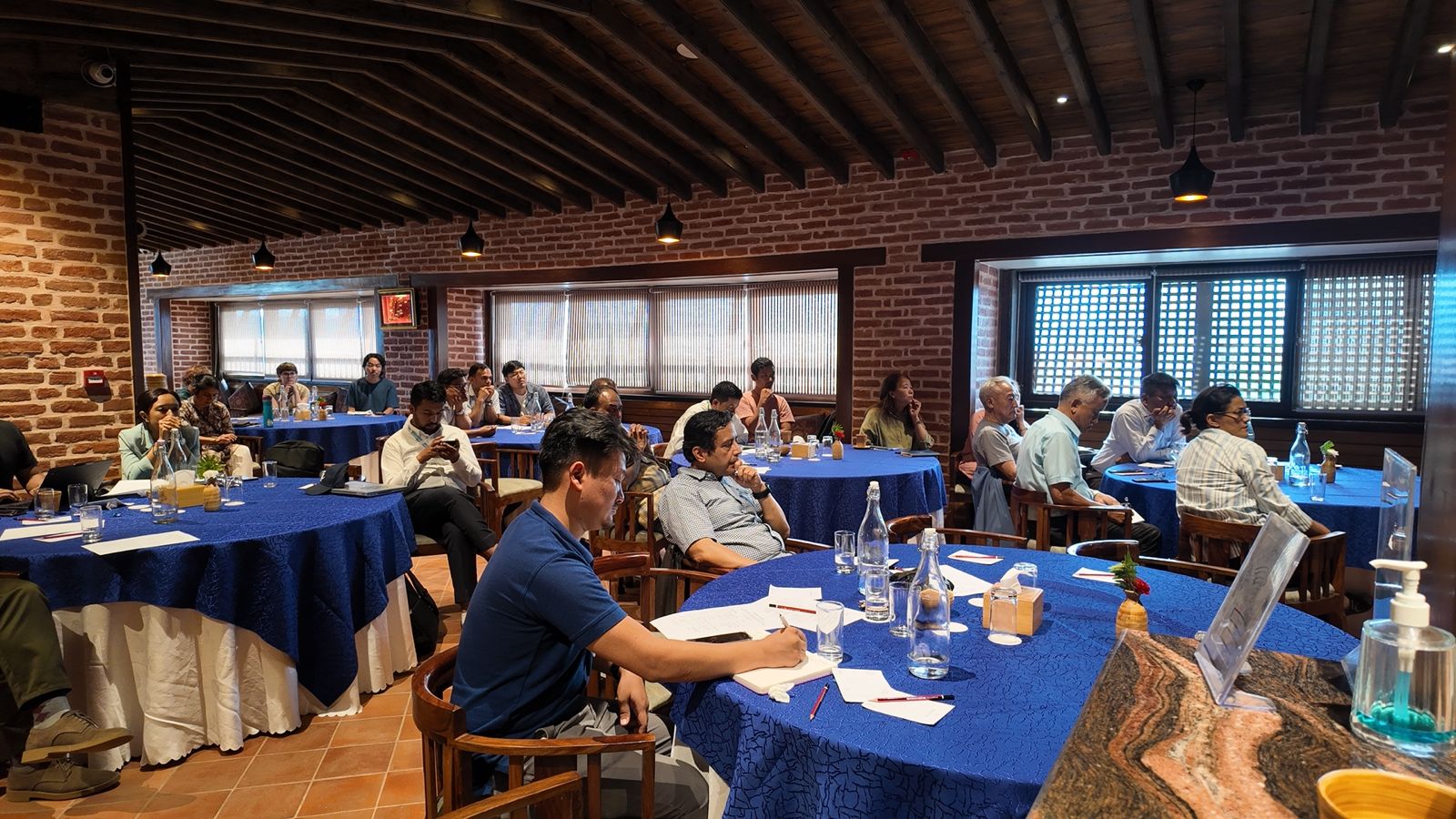
The project also has strong support from local leaders, experts, and policymakers, who stressed the importance of inclusive disaster planning, integrating indigenous knowledge, and securing key trekking routes often used by tourists visiting the Everest region.
Sonam Gyalzen Sherpa, Member of Parliament from Khumbu, praised local-Sherpa-led SPCC for its decades of pioneering work in Khumbu. He voiced the importance of such local ownership and collaboration between government, NGOs, and grassroots actors for effective disaster preparedness and long-term resilience.
A notable presentation was delivered by Dr. Pasang Yangjee Sherpa, Assistant Professor at the University of British Columbia, who is currently leading the LAPA development process for Khumbu. She expressed concern over the limited representation of Sherpas in scientific studies and urged more inclusive, community-centered research and planning beyond the commonly studied tourist trails.
Similarly, Tashi Lhamu Sherpa, Acting Chairperson of KPLRM, reaffirmed the local government’s commitment to supporting the project and recognized the importance of SPCC’s leadership in the region.
With climate change intensifying risks in the Himalayas, this project is expected to serve as a model for disaster preparedness, not only for locals but also for ensuring safer trekking and mountaineering experiences in the Everest region.





Comment