

 °C
°C Beyond the Summits: 28 lives lost to the mountains in Nepal's 2024 and 2025 climbing seasons
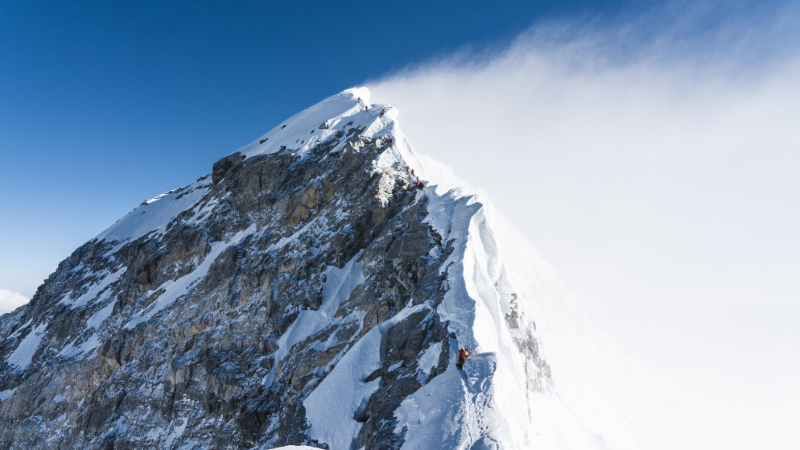
From Everest to Dhaulagiri, a somber toll of climbers and Sherpas reminds us of the human cost of chasing the world’s highest dreams
KATHMANDU: In the high, wind-scoured altitudes of the Himalayas, where dreams touch the sky and danger lurks beneath every step, not all who climb return.
According to recent report by the Department of Tourism under Nepal’s Ministry of Culture, Tourism and Civil Aviation, 28 climbers have been recorded as dead and two missing during the Nepal’s high-altitude climbing seasons of 2024 and 2025. The victims included both Nepali high-altitude workers and international climbers from more than a dozen countries.
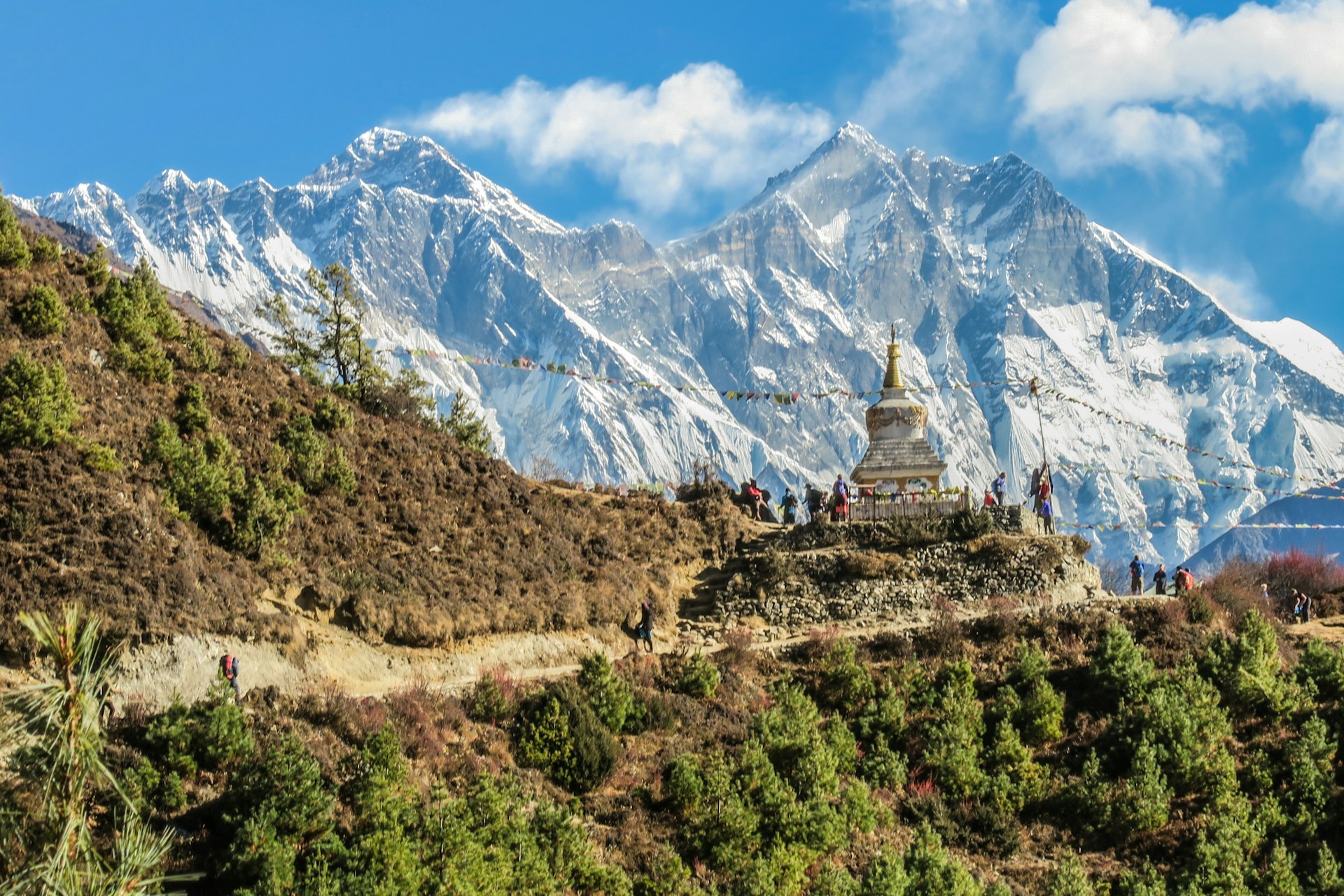
The mountains they died on are famous: Everest, Lhotse, Makalu, Dhaulagiri, and more. But their stories are less often told.
The data reveals that 19 mountaineers lost their lives during the Spring 2024 season, with another 9 fatalities recorded in Spring 2025. These incidents underline the extreme risks that come with scaling some of the world's highest peaks.
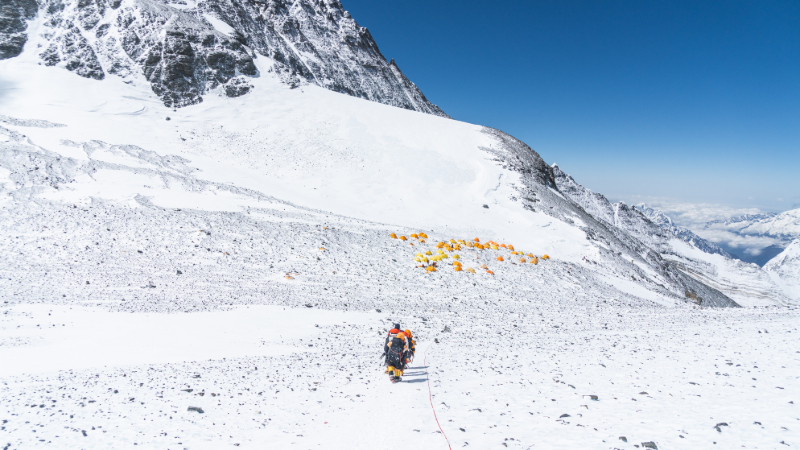
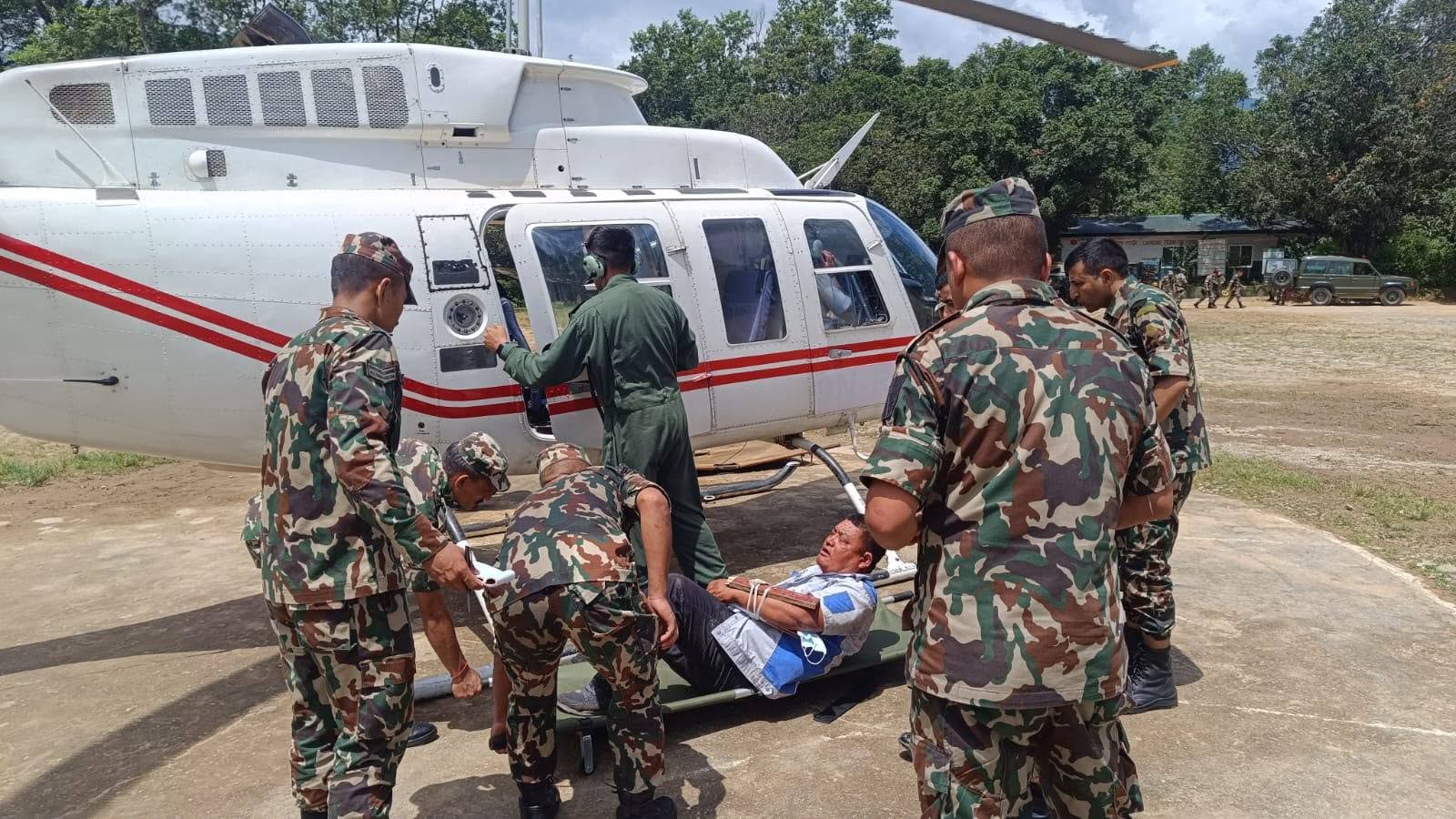
Photo: SST
Spring 2024: Deadliest on Everest and Dhaulagiri
The Spring 2024 season proved particularly deadly on Mount Everest, where multiple expeditions suffered casualties. Two Mongolian climbers — Usukhjargal Tsedendamba (53) and Purevsuren Lkhagvajav (31) — died on May 13 during the 8K Summit Everest Expedition 2024.
A double tragedy struck the 8K International Everest 2024 Spring 1 team on May 21, when both British climber Daniel Paul Paterson (40) and his Nepali guide Pas Tenji Sherpa (23) perished. Two men from different continents—one chasing a lifelong goal, the other guiding him there—met the same tragic fate on the same day.
The same day, Gabriel Viorel Tabara (46) from Romania died on Mt. Lhotse while climbing with Makalu Adventure. Joshua Cheruiyot Kirui, a 40-year-old Kenyan runner and endurance athlete, perished just days later, on May 22.
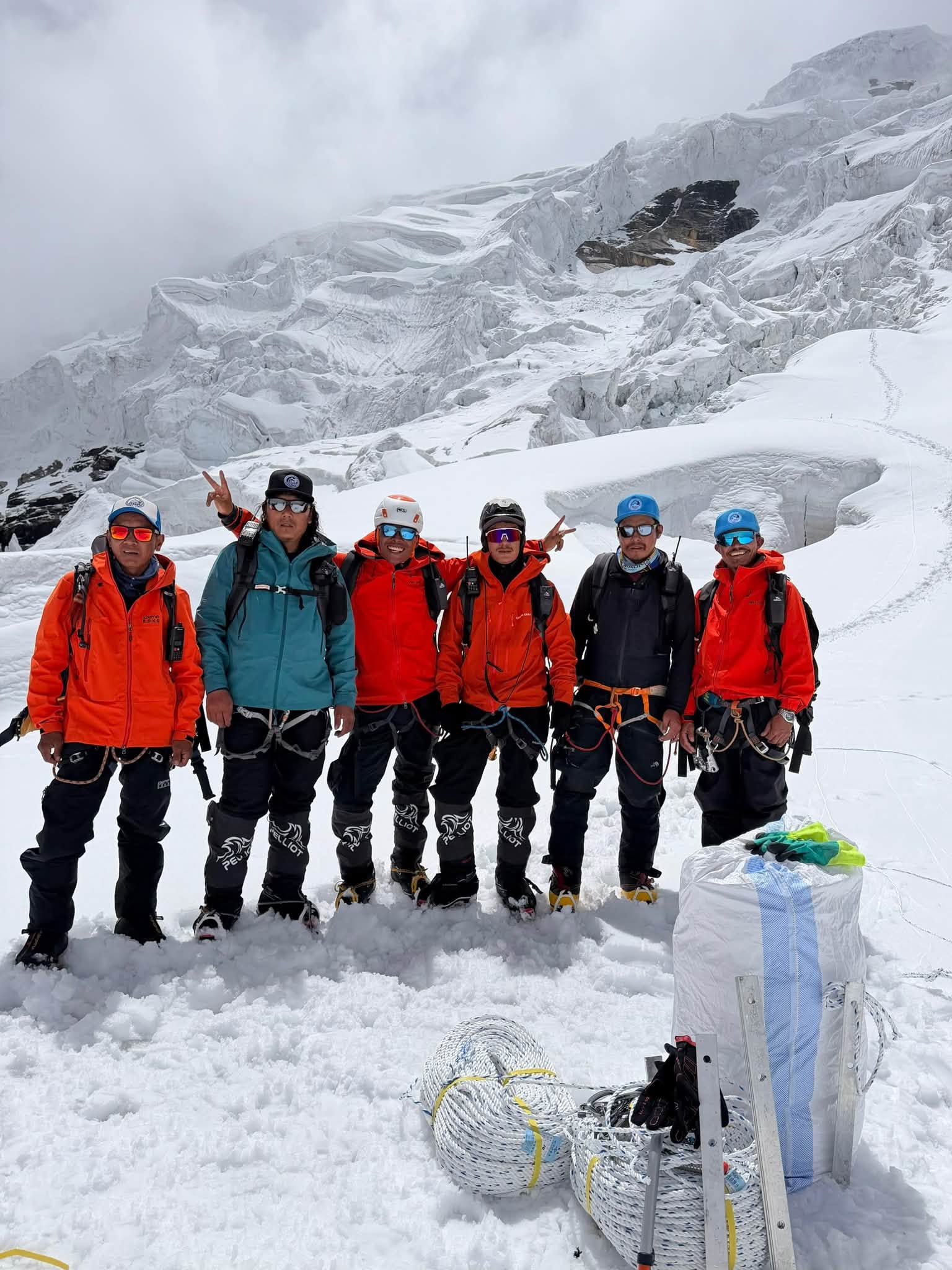
Then there were the Sherpas. Ngawang Sherpa (44) from Solukhumbu, and Binod Babu Bastakoti (37) from Pokhara, were among the Nepalis who died on Everest in the same week. Lhakpa Tenji Sherpa of Mahakulung, Solukhumbu, died during the SST Makalu Expedition on May 7.
These were not just climbers—they were sons, daughters, fathers, teammates, and guides. Behind each name is a family waiting for a call that never came.
The autumn of 2024 brought another tragedy when five Russian climbers perished on Mt. Dhaulagiri during a single expedition on October 20 — one of the most significant losses of life from a single national team in recent years.
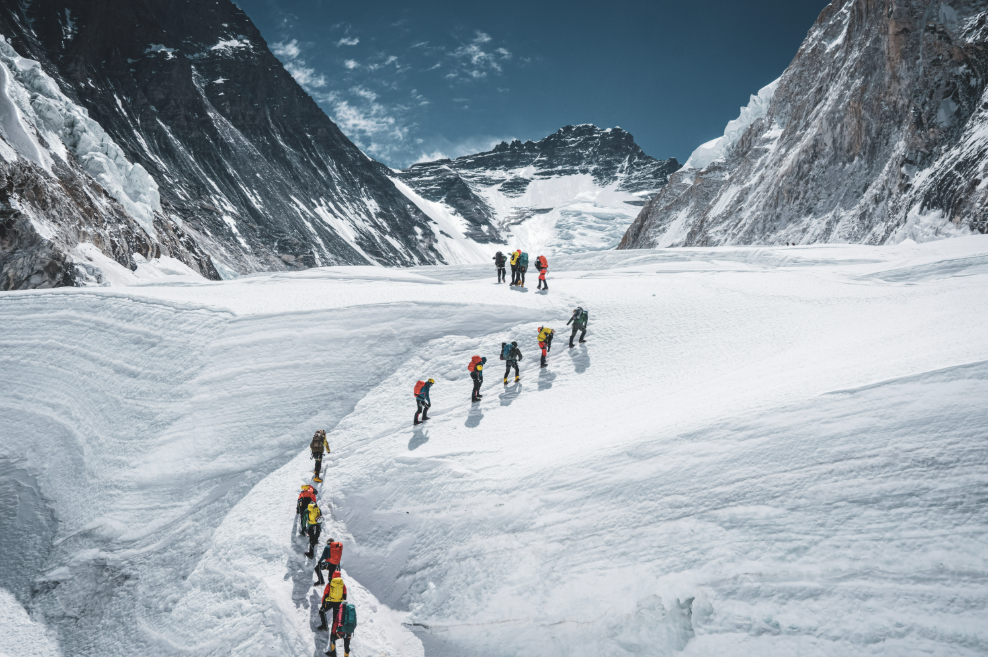
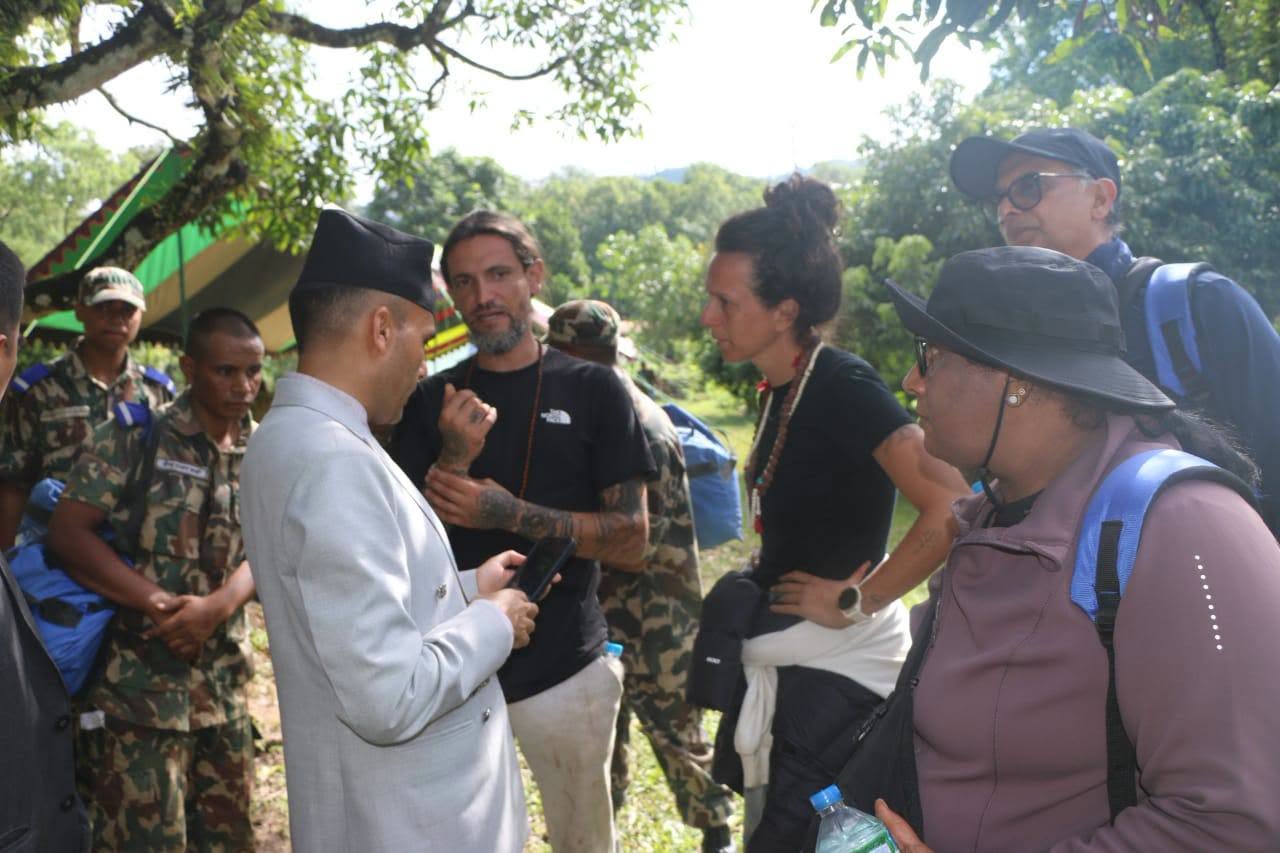
Photo: SST
The toll continues in 2025
Even this year’s spring season has not spared lives. According to the Department's data, nine more climbers died between March and May 2025. Among them were Martin Hornegger (64) of Austria on Ama Dablam on April 26, Alexander Pancoe (39) of the U.S. on Makalu on May 4, and Margareta Soos (63) from France on Kanchenjunga on May 10. One of the few female climbers reported among the casualties.
Tragically, two members of the Mountaineering Association of Krishnanagar’s Everest expedition-Snowy Everest Expedition-2025, Philipp II Santiago (45) of the Philippines and Subrat Ghosh (45) of India, died on consecutive days—May 14 and 15—on the southern slopes of Everest.
Even for seasoned Sherpas, the risks remain. Nigma Dorchi Sherpa (31) died on Everest on April 11, and Lagimna Sherpa (54) on March 31.
The most recent deaths in the Spring 2025 season were Barna Zsolt Vago (48) from Romania who died on May 18 during the MM. Lhotse Expedition Spring 2025 expedition and Rakesh Kumar (40) from India, who died on May 18 during the 8K International Lhotse Expedition.
Fatalities summary by nationality (2024 & 2025 combined)
- Nepal: 6 fatalities (including Sherpa guides)
- Russia: 5 climbers (Dhaulagiri)
- India: 3 climbers
- Mongolia: 2 climbers
- Romania: 2 climbers
- UK, Kenya, France, Austria, Philippines, USA, Slovakia: 1 each
The fate of two climbers remains uncertain, officially listed as “missing.” In the Himalayas, where the terrain is unforgiving and rescue is often impossible, missing often becomes a word synonymous with gone.
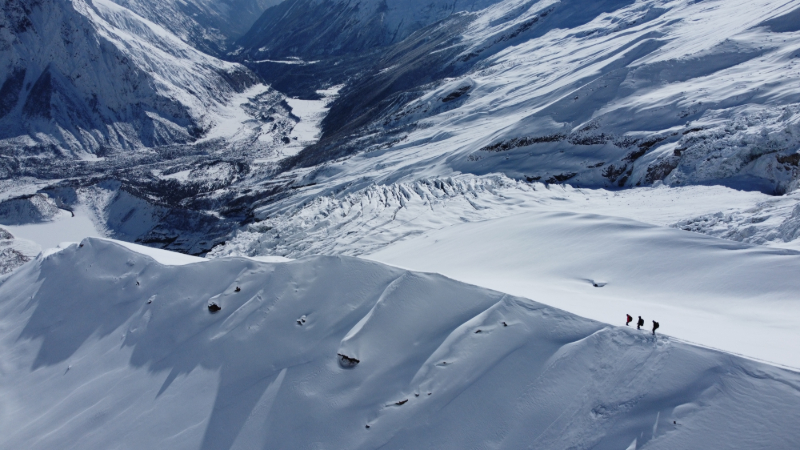
Photo: SST
The growing number of casualties comes despite improved weather forecasting, stricter permit regulations, and enhanced logistical supports. However, unpredictable weather, high-altitude sickness, and the physical strain of Himalayan peaks continue to claim lives.
As Nepal continues to welcome climbers from all over the world, these tragedies serve as a stark reminder that the Himalayas, majestic as they are, demand both respect and preparedness. The country’s mountaineering community, along with international partners, must strive toward reducing preventable deaths while keeping the spirit of adventure alive.
Read More: Nepal earns over USD 5.7 million in mountaineering royalties in 2024


Comment