The Tourism Times | Breaking tourism-related news from Nepal and beyond
°C
T3 Special
'Devbhumi Nepal' campaign, 5,000 new homestays, e-gates: Government unveils sweeping tourism agenda for 2083/84
By
Tourism Times
Published at : 12 May 2026, 4:51 PM
KATHMANDU: The government has unveiled a sweeping tourism-focused agenda in its annual policy and programme for fiscal year 2083/84, presented by President Ramchandra Paudel at a joint session of the Federal Parliament on Monday, with plans ranging from a national spiritual tourism campaign to a single-window digital entry system and at least 5,000 new homestays linked to international booking platforms.
The most prominent tourism initiative in the document is the launch of a "Devbhumi Nepal" national campaign to position Nepal as a global centre for spiritual tourism. Through what the policy terms "spiritual pilgrimage diplomacy," the government plans to actively promote Pashupatinath, Lumbini, Janakpurdham, and Muktinath as international religious and spiritual destinations. Nepal is to be developed as an emerging destination for religious, cultural, wellness, film, study, and leisure tourism.
On aviation, the government committed to diplomatic outreach to attract additional international airlines to Gautam Buddha International Airport and Pokhara International Airport, both of which have struggled to draw consistent international traffic since opening. The policy also calls for structural reforms in the civil aviation sector, greater private sector participation, implementation of international safety standards, and full modernisation of existing international airports. Tourist visa services are to be fully migrated to an online system, and e-gate installations at international airports will be introduced to reduce passenger waiting times.
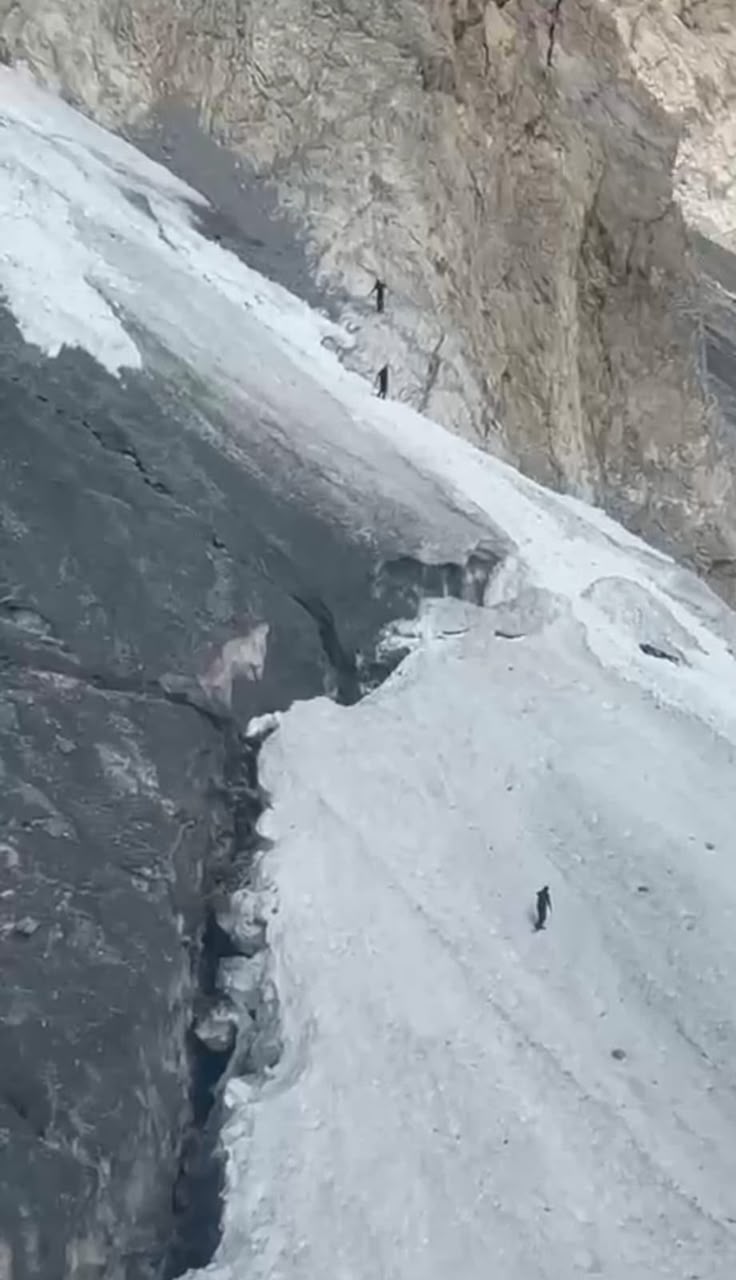
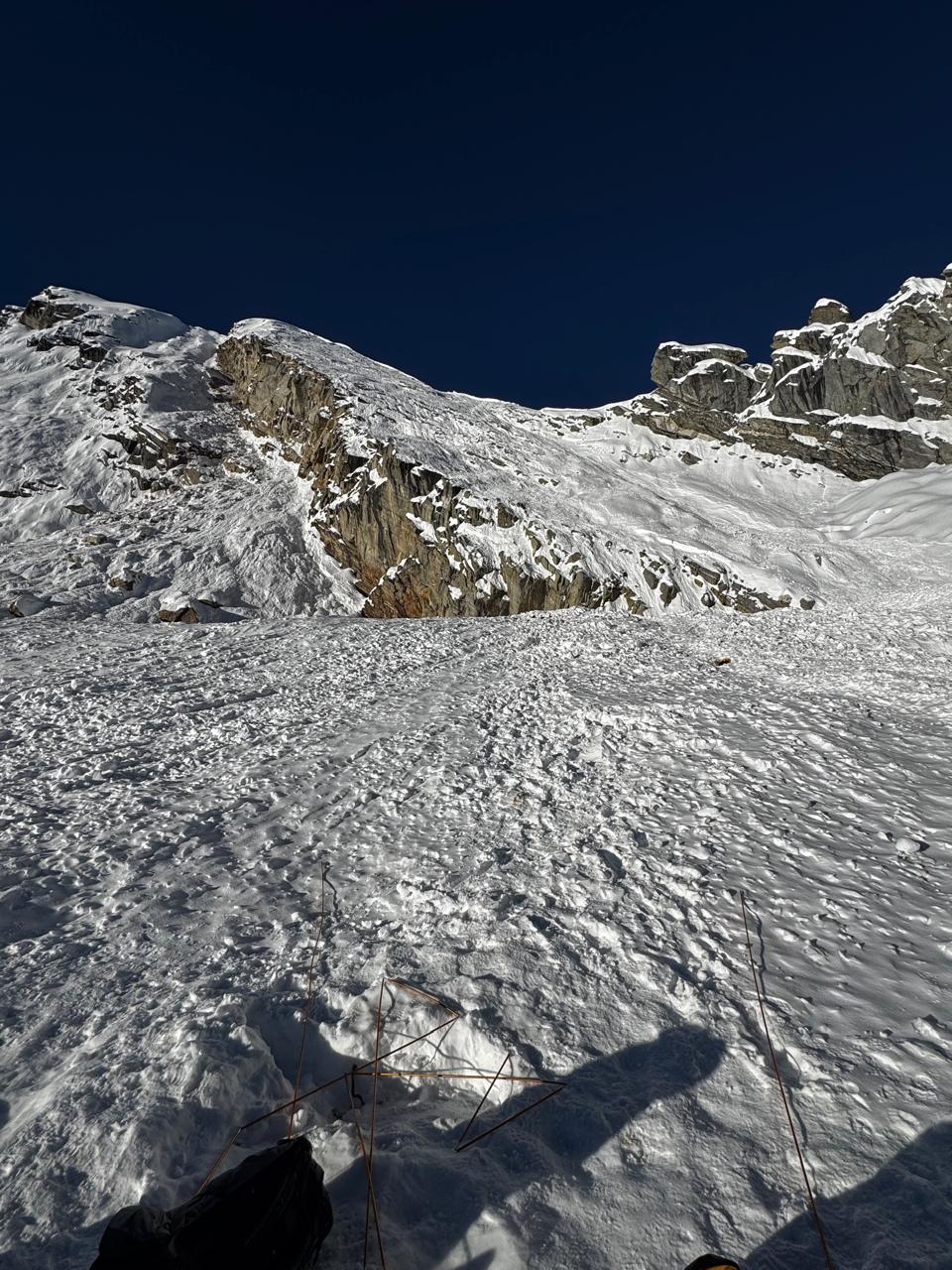
A single-window digital tourism system is to be introduced allowing tourists to access permits and services at the point of entry. Mountain tourism search and rescue systems will be integrated with modern technology. International promotion ahead of Visit Nepal 2085 will focus on increasing tourist arrivals, per-tourist spending, and average length of stay.
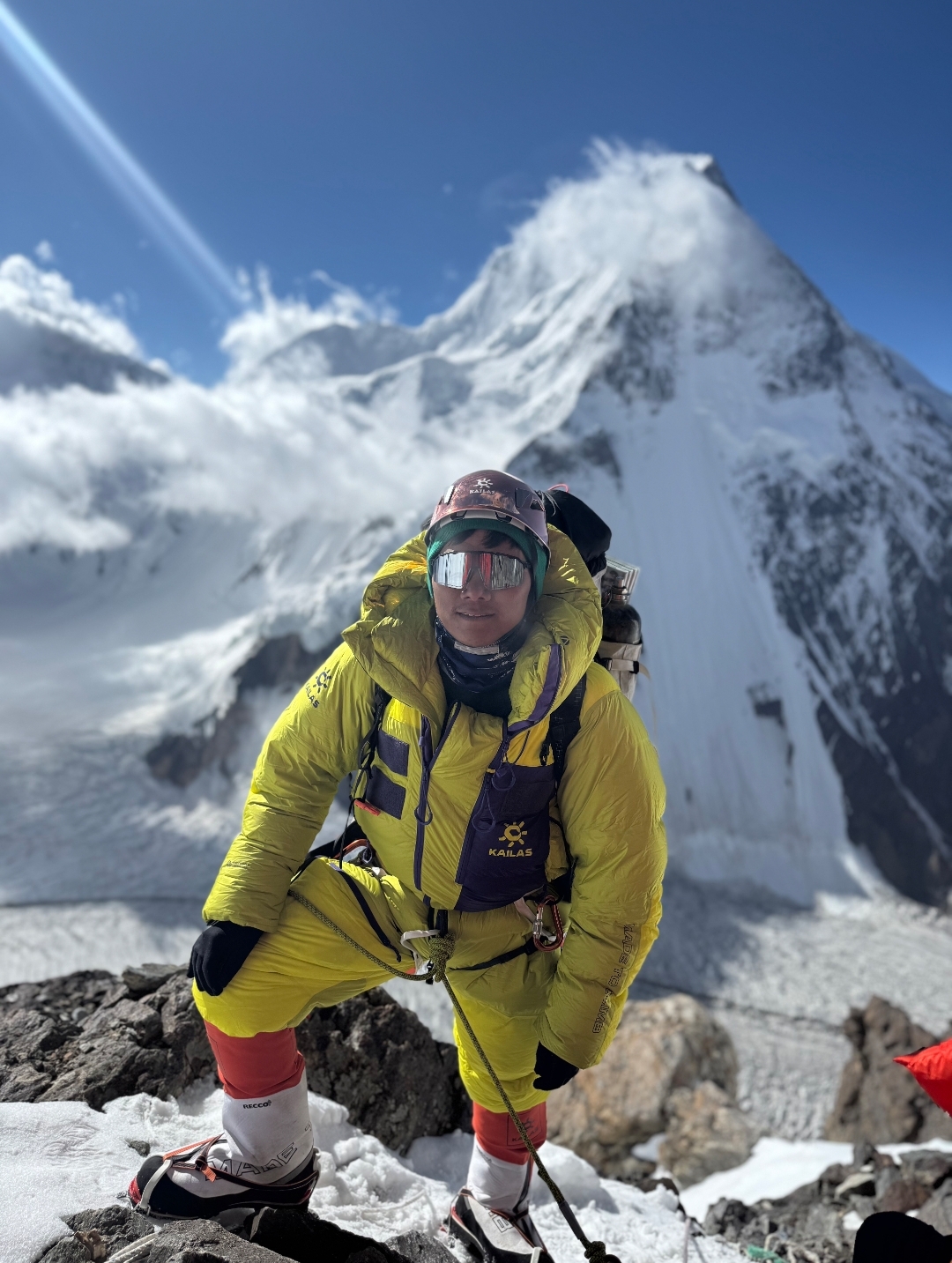
The policy also outlines plans to develop Nepal as a premier adventure tourism destination, with investment in infrastructure, safety standards, and international promotion for mountaineering, trekking, rafting, paragliding, bungee jumping, and skydiving. Karnali, Sudurpashchim, Madhesh, and Koshi provinces are to be prioritised for new destination development, and at least ten new trekking routes are to be identified and promoted across the Himalayan, mid-hill, and Terai regions. The Nepal Tourism Board is to be restructured under a public-private partnership model to make it more innovative.
Community-based homestays are to be expanded, with at least 5,000 new homestays registered under the "Nepal Homestay" brand and linked to international booking platforms. The initiative is framed around the concept of a "living museum" and is explicitly aimed at generating income and employment for marginalised and Dalit communities by connecting local art, culture, and tradition with tourism.


 °C
°C 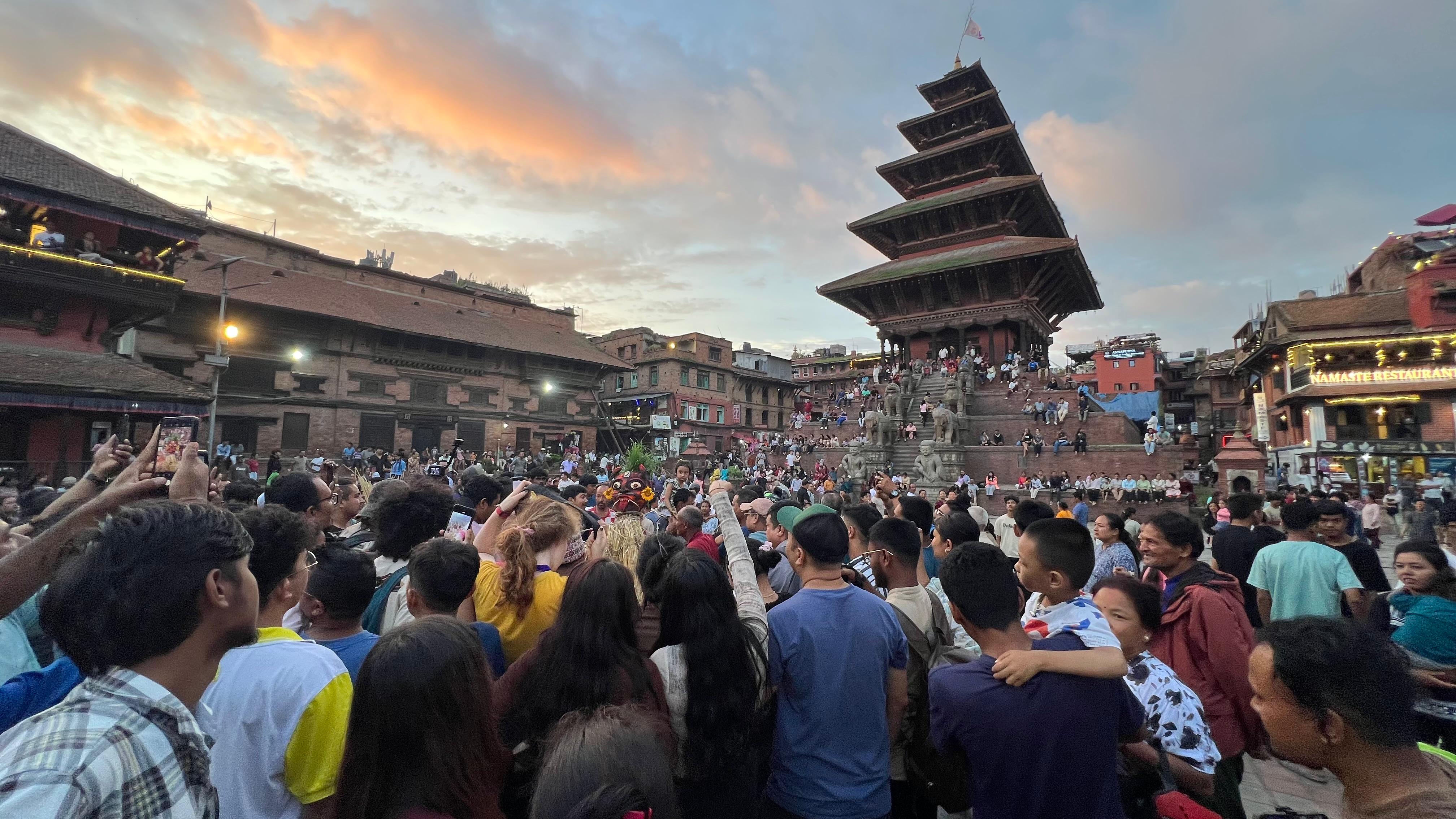



Comment