The Tourism Times | Breaking tourism-related news from Nepal and beyond
°C
T3 Special
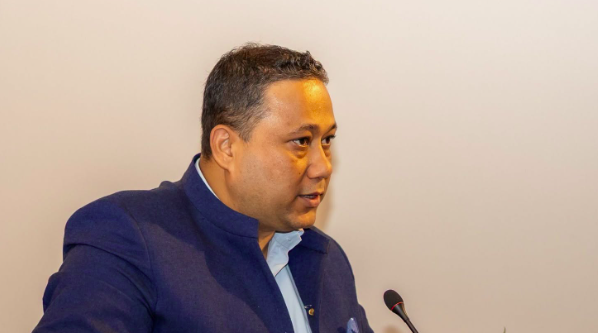
Khadakraj Paudel 'Ganesh' appointed Tourism and Civil Aviation Minister of Nepal
By
Tourism Times
Published at : 27 Mar 2026, 11:52 AM
KATHMANDU: Khadakaraj Paudel, widely known as Ganesh Paudel, has been appointed Minister for Tourism and Civil Aviation of Nepal in the newly formed government led by Prime Minister Balendra Shah.
Paudel, elected from one of Nepal's most tourism-intensive constituencies — encompassing wards of Pokhara Metropolitan City, Madi Rural Municipality, and Rupa Rural Municipality — campaigned on a platform of transforming tourism from a seasonal activity into a structured industry with year-round economic impact.
Tourism as industry
Central to Paudel's tourism vision is a policy commitment to grant the tourism sector the same facilities and incentives currently available to industrial enterprises — a long-standing demand of the hospitality and adventure tourism industry that has yet to be fully realised at the national level.
His manifesto pledged active promotion of yoga, meditation, homestay, birdwatching, and wellness tourism — segments that have seen growing global demand but remain underdeveloped in Nepal's product offering.
Pokhara's lakes and trails as an eco-tourism circuit
Among the most specific proposals in his manifesto is a plan to develop an eco-tourism circuit linking Kaski's major lakes — Begnas, Rupa, Dipang, Maidi, Khaste, Gunde, and Nyureni — through dedicated cycling and walking trails. The circuit would connect existing tourist destinations across the district into a coherent, low-impact tourism product.
Paudel also committed to expanding the rural tourism trail running through Sikles–Kori–Kahunpuche–Hugu–Dudhpokhari–Manang, opening up remote communities along the route to trekking tourism.
Heritage villages and cultural tourism
The manifesto identified several sites — including Arwa's Bijaypur village, Prabhudham, Kalikasthan, the ancient Muslim settlement of Miyapatan in Pokhara-13, Sikles, and Tangting — for declaration as heritage villages. The plan envisages preserving indigenous music, dance, art, and traditions at these sites while actively promoting them as religious, cultural, and heritage tourism destinations.
Rupakot is earmarked for development as a hill station and dedicated tourist destination.
Connectivity and infrastructure
Paudel's manifesto also addressed the infrastructure gaps that limit tourism growth in the region. He committed to maximising the utilisation of Pokhara International Airport and pushing for expanded flight routes and connectivity — a particularly pressing concern given that the airport has struggled to attract adequate international traffic since its opening.
The proposed construction of a modern bus park at Lame Ahal, Pokhara-32, featured as a high-priority infrastructure commitment, alongside road expansions linking Pokhara to Triveni and Pokhara to Korala — positioning the city as an economic hub connected to both India and China.
Homestay and technology
Paudel committed to linking homestay operations with digital platforms to enhance visibility, bookings, and overall promotion — recognising the role technology can play in bringing smaller, community-based tourism enterprises into the mainstream market.
A constituency that lives and breathes tourism
Kaski Constituency No. 1's geographical spread — from urban Pokhara wards to the rural communities of Madi and Rupa — means Paudel enters the tourism ministry with direct, grassroots exposure to the full spectrum of Nepal's tourism ecosystem, from luxury lakeside hotels to remote village homestays and high-altitude trekking routes.
Industry stakeholders will be watching closely to see how much of this constituency-level vision Paudel is able to translate into national policy from his new position at Singha Durbar.


 °C
°C 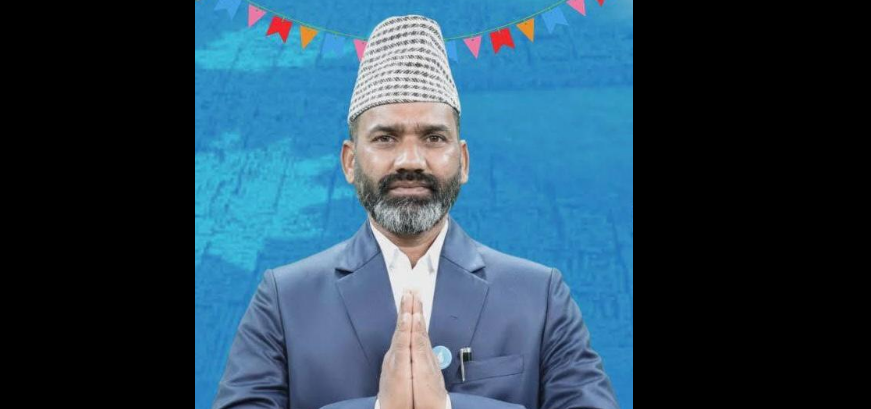

Comment