The Tourism Times | Breaking tourism-related news from Nepal and beyond
°C
T3 Special
Planning a trek in Nepal’s restricted areas? Here’s the latest permit and fee guide
Photo: Department of Tourism
By
Tourism Times
Published at : 17 Sep 2025, 11:33 AM
KATHMANDU: The restricted areas of Nepal —famous for their pristine landscapes, rich culture, and limited access—require special permits and, in some cases, higher fees that vary by season and length of stay. These permits are essential for visiting remote Himalayan regions where access is controlled to protect fragile environments and unique cultures.
Nepal’s Department of Immigration (DoI) maintains a detailed schedule of trekking permits and fees for all officially designated restricted areas, offering crucial guidance for travelers seeking remote Himalayan adventures.
Why “restricted area” permits matter
Restricted-area trekking is designed to protect fragile environments and respect local traditions in sensitive border and high-altitude zones. The permit fees also help fund conservation efforts and community development. Unlike regular treks such as Annapurna or Langtang, these routes require travelers to book through registered trekking agencies and to trek with a licensed guide.
Mugu (Mugumakarmarong): USD 100/week, then USD 15/day
Darchula (Vyas): USD 90/week, then USD 15/day
Lower Dolpa: USD 20/week, then USD 5/day
Dolakha (Gaurishankar area): USD 20/week
Sankhuwasabha (Makalu–Bhotkhola): USD 20/week (first 4 weeks), then USD 25/week
Note: In Upper Mustang and Upper Dolpa, if the royalty paid for a mountain expedition is less than the trekking permit fee, trekkers must pay the difference.
Seasonal tips for trekkers
Peak Seasons: Autumn (Sept–Nov) and Spring (Mar–May) bring clear skies and higher permit demand—book early.
Off Seasons: Winter and monsoon months often have lower fees but harsher weather and limited teahouse availability.
Always carry original passports, valid visas, and agency paperwork. Independent trekking is not allowed in these zones.
How to apply?
Permits are only issued through licensed trekking agencies registered with Nepal’s Department of Tourism and Department of Immigration. Agencies handle paperwork, organize guides, and coordinate with local authorities for each region’s specific requirements.
The allure of the restricted trails
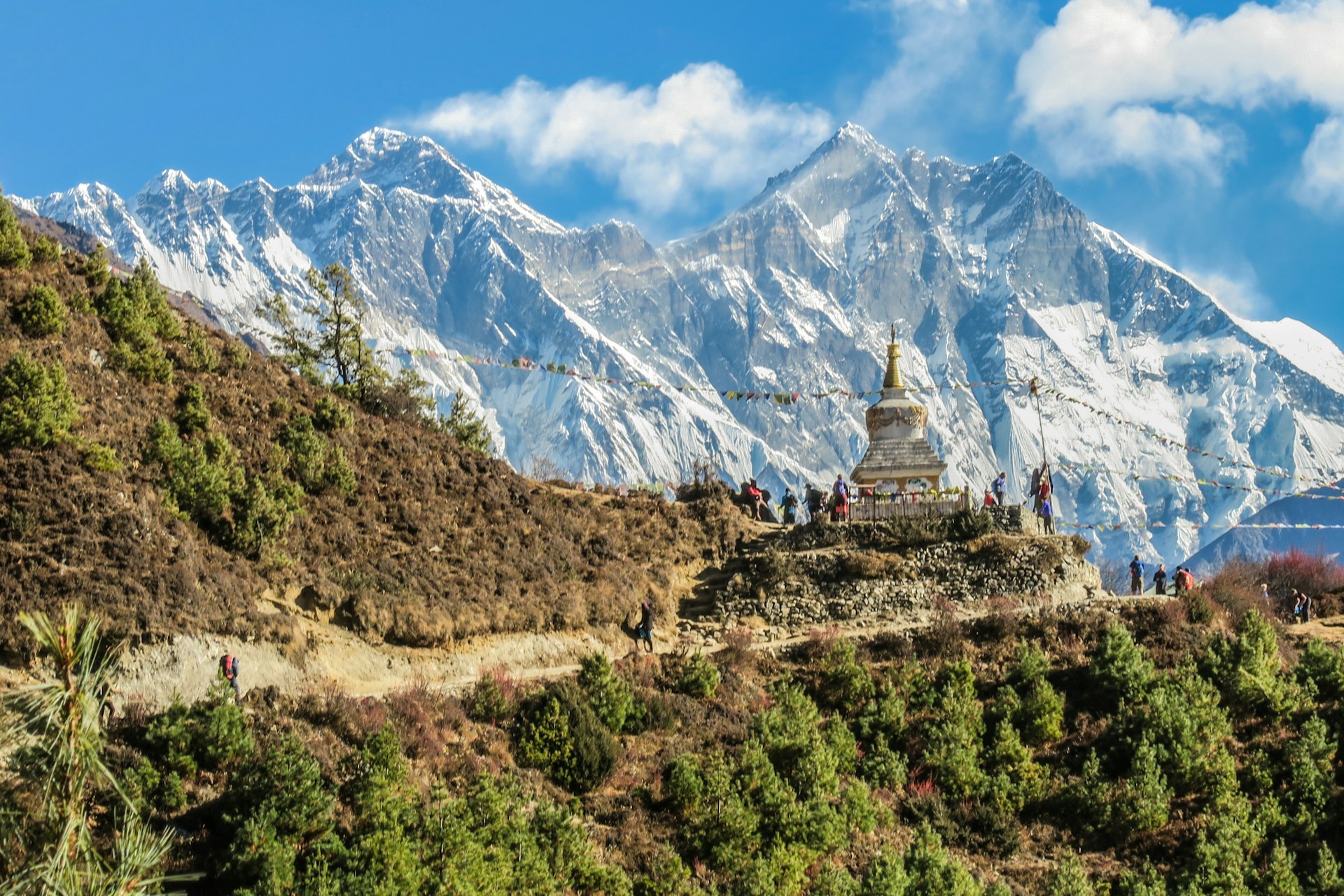
From the dramatic cliffs of Upper Mustang to the mystical valleys of Dolpa and the isolated villages of Humla, these routes offer once-in-a-lifetime cultural immersion and rugged Himalayan beauty. While fees are higher than standard treks, the experience of walking ancient trade routes, visiting centuries-old monasteries, and witnessing untouched wilderness remains priceless.
For official details and the most current updates, visit the Department of Immigration website or consult a certified trekking agency before your journey.

 °C
°C 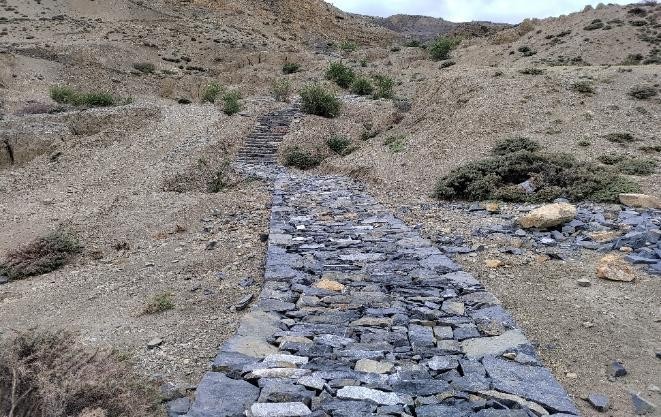
Comment