

 °C
°C The life and climbs of a Makalu man
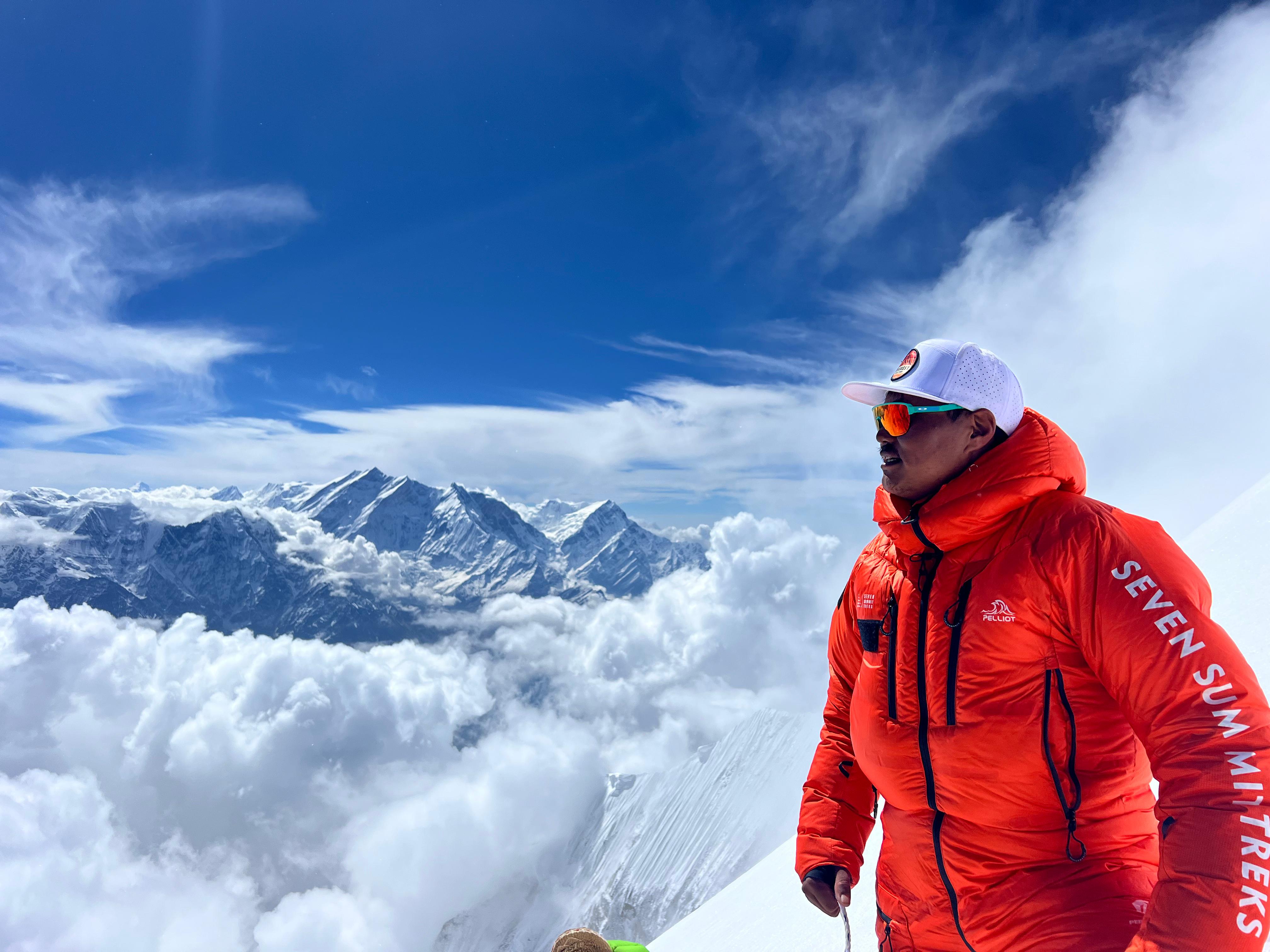
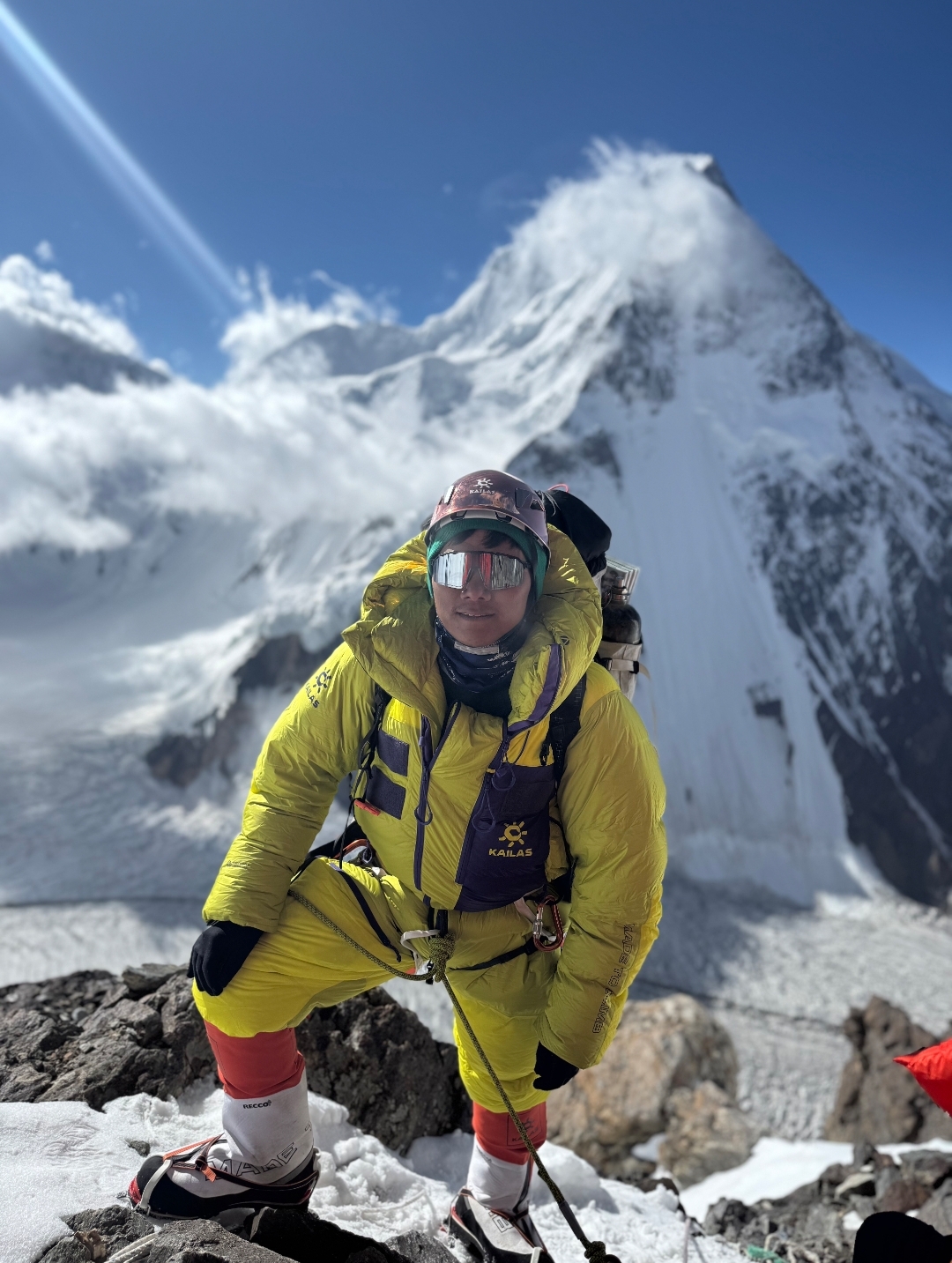
KATHMANDU: In mountaineering, only a handful of names have become tied to a single mountain. It is truly rare to have something of a Hornbein Couloir or the Abruizzi Ridge, an instance when a person is connected to a mountain. For Lakpa Sherpa, that mountain is Makalu, the fifth 8000er at 8485 meters eventually earned him the name “Makalu Lakpa”.
By 2025, he has stood on its summit eight times, more than anyone else in history. In 2022, he entered the Guinness World Records by summiting Makalu three times in just 16 days, and one of those climbs, without supplemental oxygen. His story, however, begins far from glory, in the cozy cattle pastures of Walung village.
Early life in Walung
Lakpa was born on 27 November 1986 in Walung, a small village in Nepal’s Sankhuwasabha district. His father was a farmer, raising cattle and working the land, and Lakpa’s childhood revolved around tending animals. From the age of five, he was already herding yaks and cows in the high alpine meadows, known locally as Bheda Kharka. “Life went on eventually,” he recalls of those long days in the Bheda Goth, caring for livestock.
Lakpa and his brother were responsible not just for their own animals but often for others’ as well. When Mingma Sherpa (Lakpa’s maternal uncle), later the chairman of Seven Summit Treks, moved with his family to Kathmandu, he handed his cattle to Lakpa’s family. The boys tended them until they too eventually sold everything and left for Kathmandu.
First foray into mountaineering
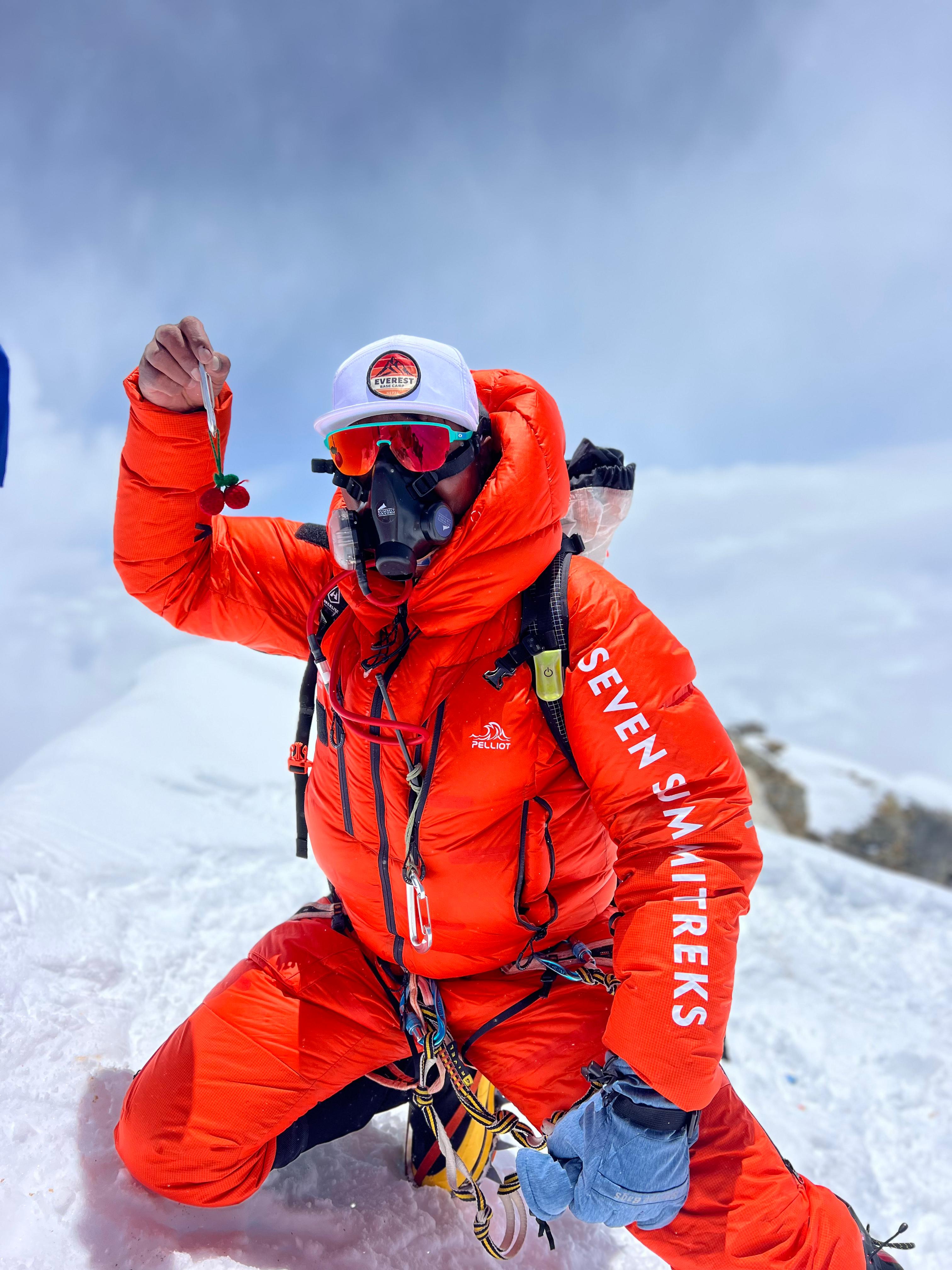
At 15, Lakpa got his first break. A French party was trekking to Makalu Base Camp via the Sherpani Col, and village elders arranged for him to join as a porter. Excited but unprepared, the teenager was quickly exposed to the harsh reality of porter life: inadequate food, physical strain, and at times, humiliation from fellow workers. “I remember crying alone for days,” he admits. “But even in that immaturity, I knew I couldn’t quit.” The trek was completed, and the seed of mountaineering had been planted. For, this teen began wondering the fascination of those French with Makalu, as it was the place where he’d always been. It never came onto him until now.
Two years followed in Kathmandu, where Lakpa took any work he could find, as a porter, on daily wages, anything just to get by. Eventually, he returned to Walung, obtained his citizenship, and made the decision to re-enter the adventure industry.
The first 8000er
In 2009, Lakpa joined his first expedition, not as a climber but as a kitchen boy for a South
Korean team on Annapurna. The work was grueling, but he performed every task with diligence. His effort did not go unnoticed. One of the Korean climbers encouraged him, telling him he was strong enough to become a climbing Sherpa, and promised him a position on a future expedition.
True to his word, in 2010 the same climber asked Lakpa to join Manaslu expedition with him as a climbing Sherpa. That season, Lakpa reached the summit, his very first 8000er. “It was the beginning of my mountaineering success,” he says. Afterwards, the Korean climber even stayed with Lakpa’s family in Makalu for nearly a year.
Professional guiding with Seven Summit Treks
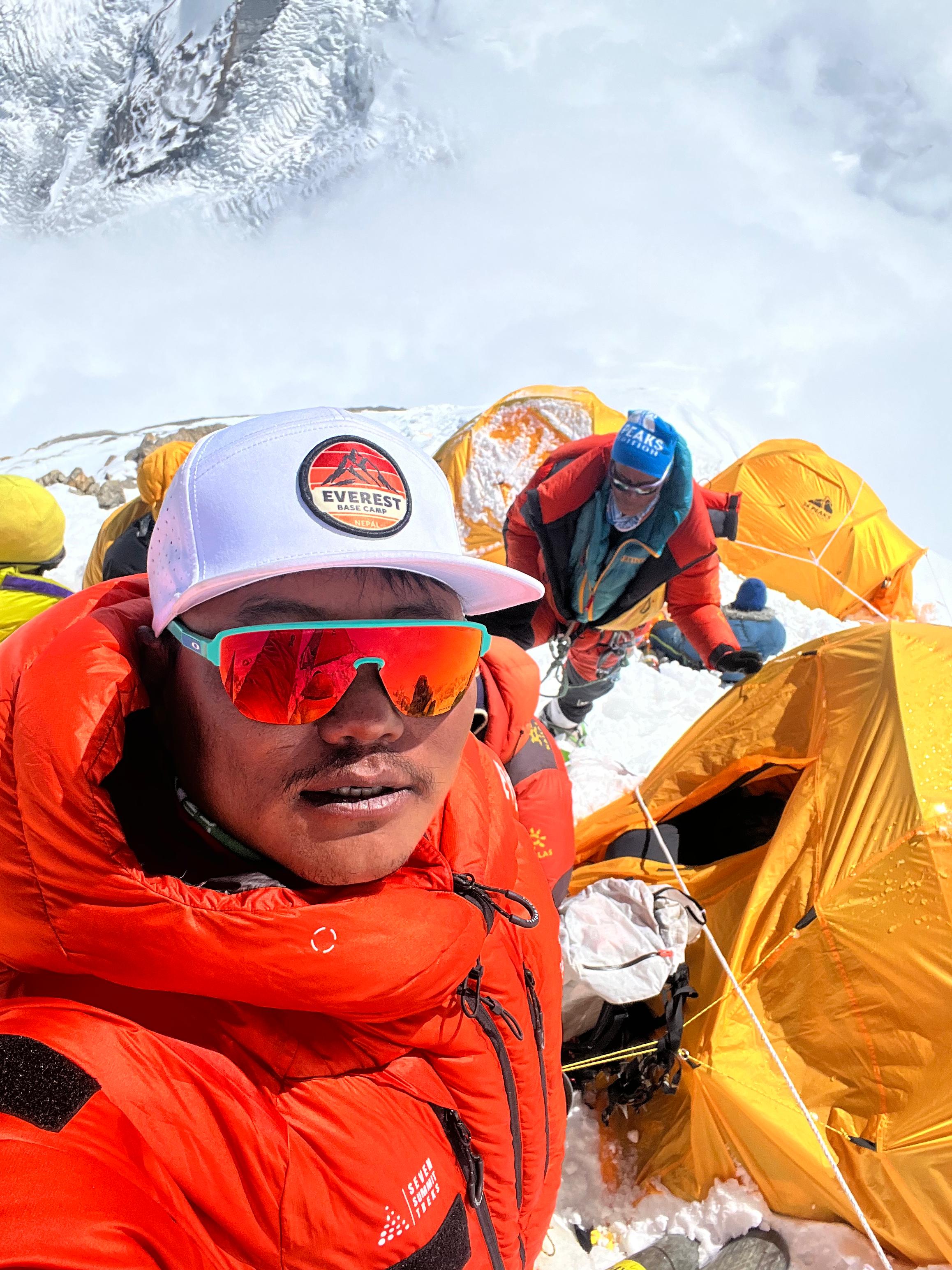
In 2011, Lakpa formally joined Seven Summit Treks, established by his maternal uncle Mingma Sherpa. His first assignment under SST was again on Manaslu, where he proved himself reliable in the high mountains. Over the next years, he worked as a climbing Sherpa (2010–2015), then advanced to climbing guide (2015–2020), and by 2020, he was leading expeditions and rope-fixing teams.
Looking back, one expedition stands out. In 2014, Lakpa was assigned to an attempt on the little-known Lugula Himal (6899 m) in the Nar-Phu region of western Nepal. He initially saw it as a punishment probably because of his boyish mischiefs in previous expeditions. The expedition was “unremarkable” compared to Everest or the 8000ers. Young Sherpas think of Everest and other 8000ers as true expeditions. No matter how technical the climb is, the rest doesn’t matter to them. Lakpa was apathetic at first but later he stepped in with genuine commitment. During the summit push, when faced with a 600-meter wall of steep blue ice, he took the lead in Alpine style, cutting a path that eventually led his climber, South Korean Won-Taek Buhm to the summit. Only later did he realize that he had made the first ascent of an unclimbed peak, a feat considered massive in mountaineering.
The call of Makalu
Makalu was always close to Lakpa. Growing up in Walung, the mountain dominated his horizon. Only when he joined the expeditions did he see how foreigners regarded it with awe. “That’s when I thought, this is my mountain,” Lakpa says. “I belong to her.”
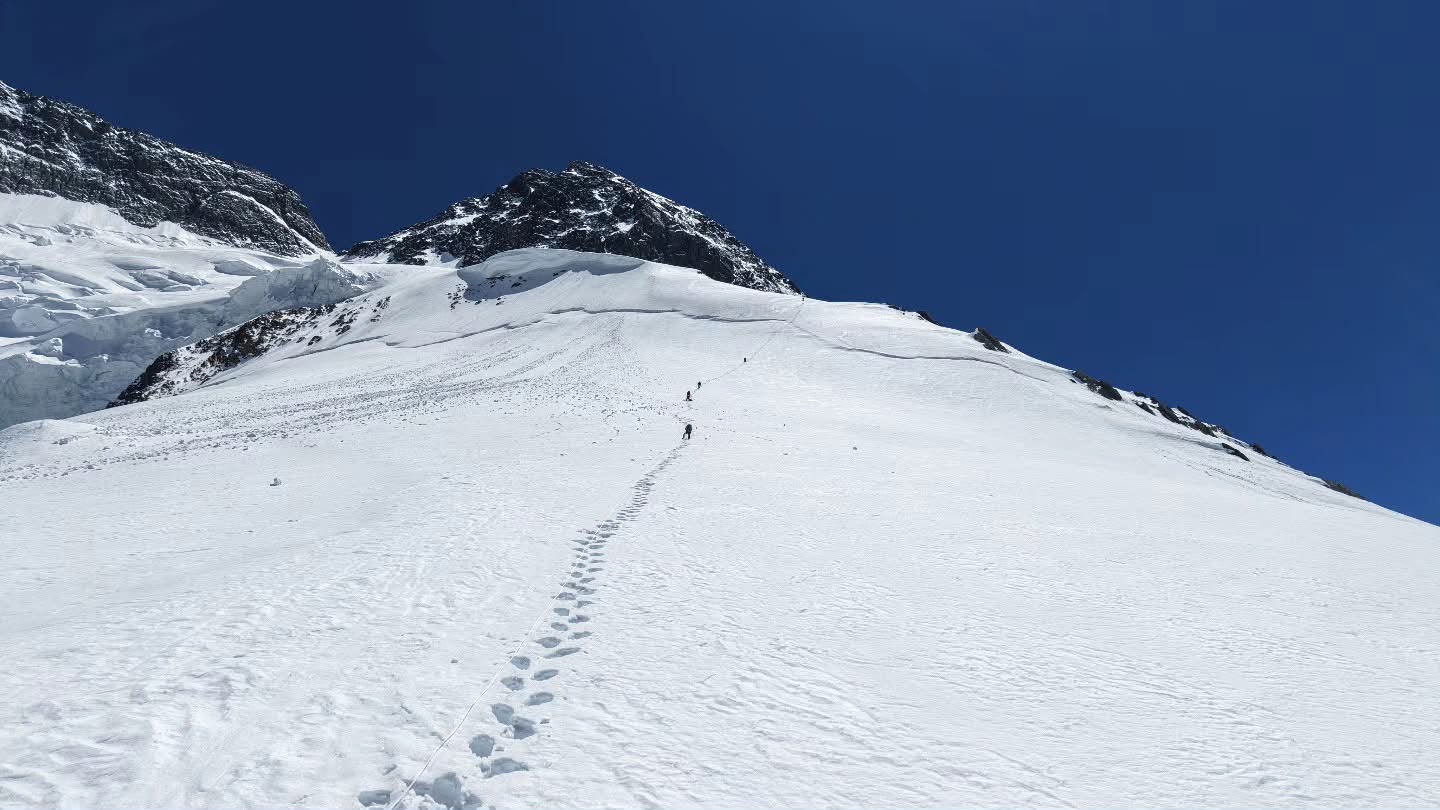
His chance finally came in 2016, when SST assigned him to guide an American climber on Makalu with added responsibility of leading the rope fixing. Fixing ropes on Makalu, one of the Himalaya’s steepest and most technically demanding 8000ers was no easy task. But Lakpa succeeded. He and his client both reached the summit, marking his first ascent of the mountain that had loomed over his childhood.
Since then, Makalu has become his signature. By 2025, Lakpa has summited it eight times, every time as a rope fixer.
The Guinness record
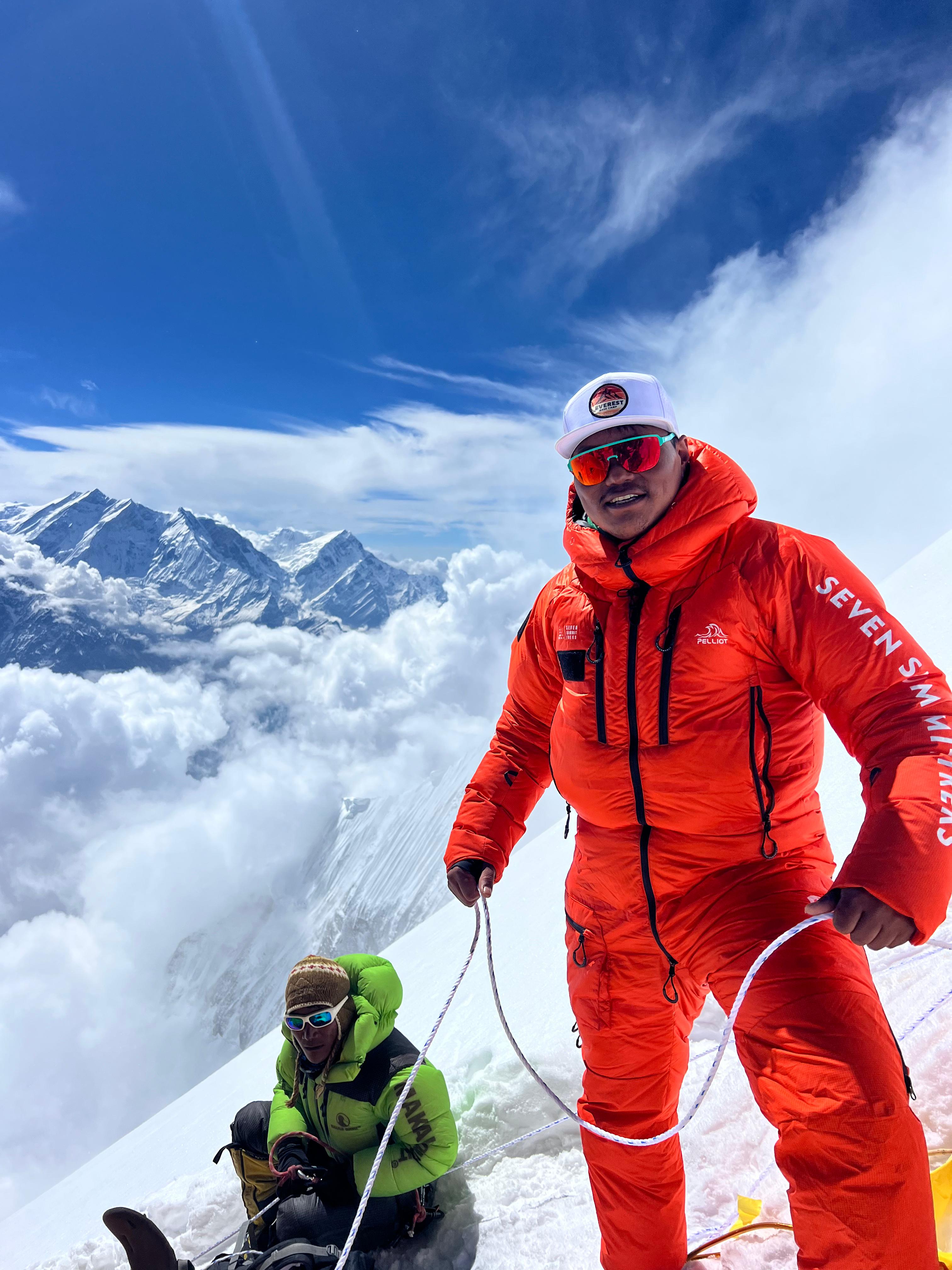
In spring 2022, Lakpa achieved what few thought possible: three summits of Makalu in just 16 days, earning him a Guinness World Record. The first of those was without supplemental oxygen.
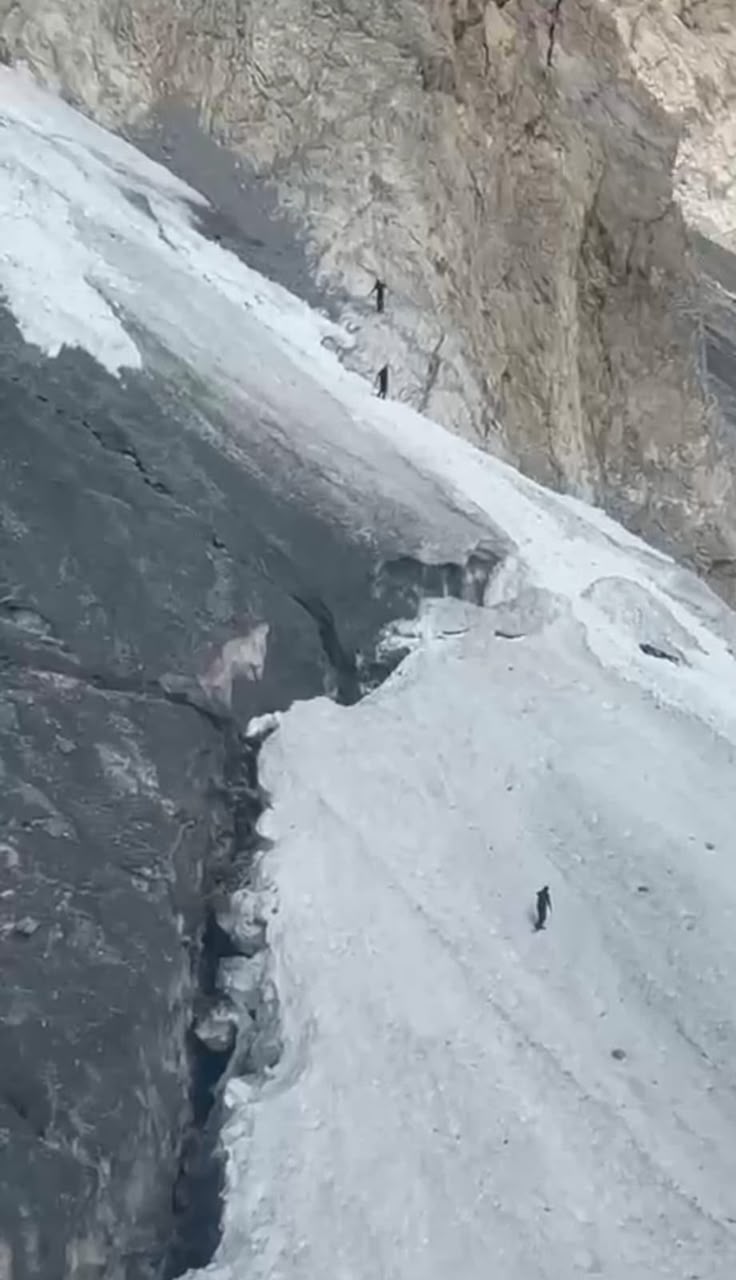
The season, however, was far from straightforward. On his very first attempt, Lakpa was swept 300 meters down an ice slope, while fellow climber Ang Tenji fell alongside him. Lakpa managed to arrest his own fall and rescue Ang Tenji, but the attempt was over. His second push ended a mere 50 meters below the summit, forced back by high jet winds and a lack of fixed ropes at the final section. Only on his third attempt did he reach the summit, and he went on to climb Makalu two more times within the 16-day window. “If all had gone well, I might have summited five times,” he reflects. “But I am happy. Ang Tenji was saved, and his life matters more than any number of times of the climb.”
You’re never that far
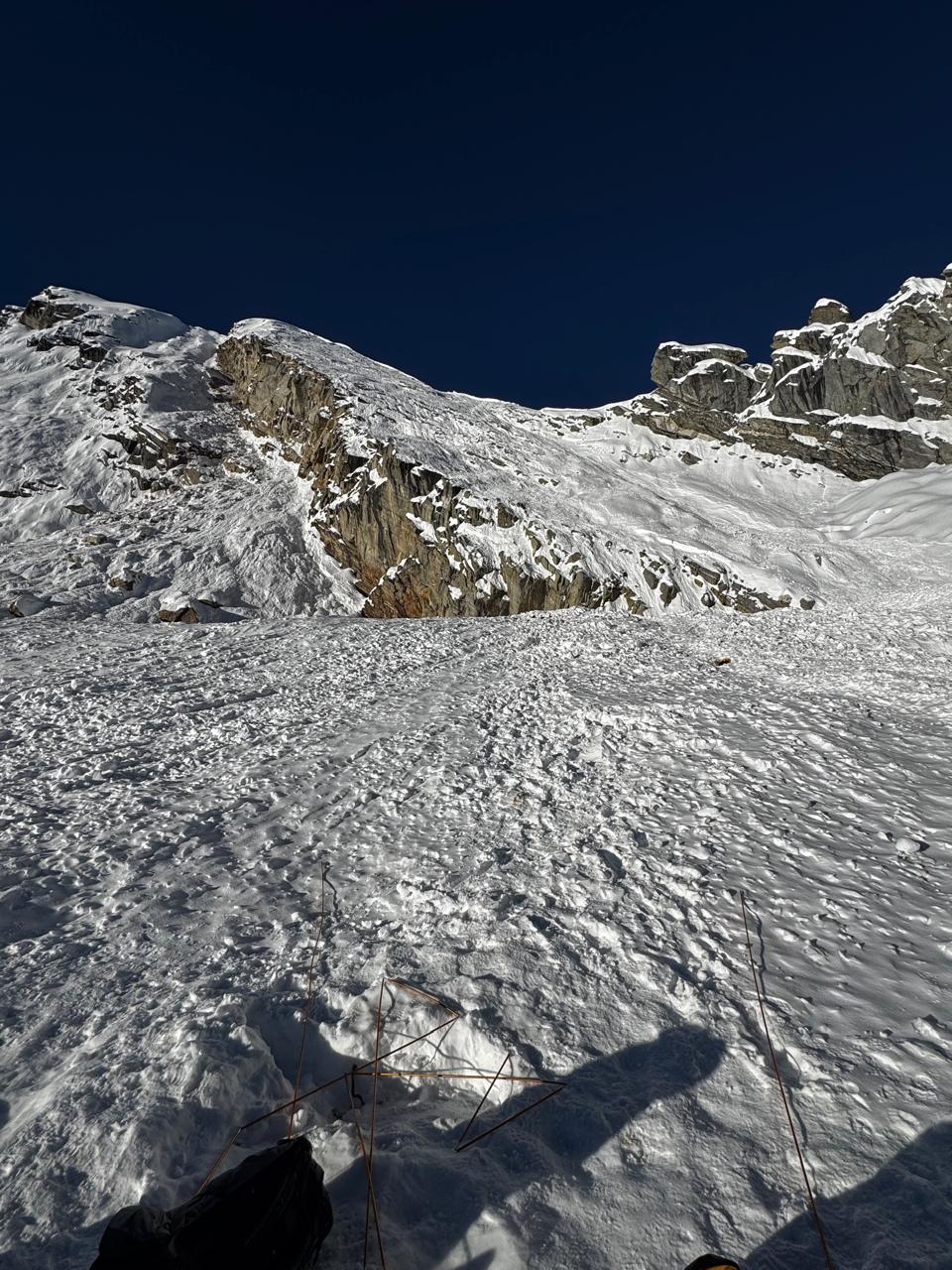
Lakpa’s career has also been shaped by close calls. On Dhaulagiri in 2021, he was swept 100 meters down by an avalanche from Camp 3. Though he survived, the experience forced him to turn back, a rare decision for a man known for pushing on. “This was too much risk,” he admits. “Sometimes, you have to be strong enough to know when to turn back.”
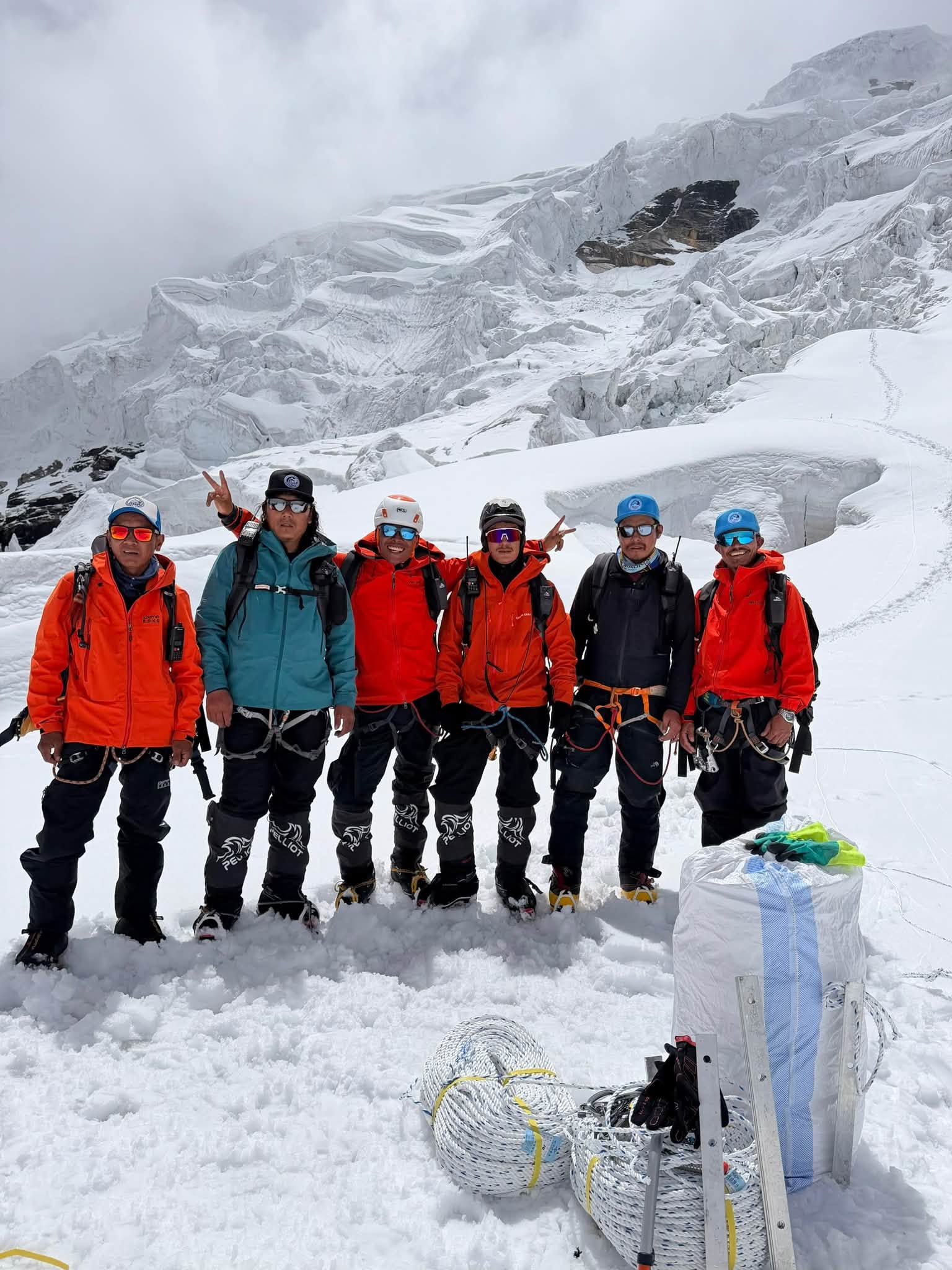
Unlike many climbers, Lakpa prefers rope fixing over guiding. “When I fix ropes, I know my work is reliable, and I can trust my life on it,” he explains. “When guiding, I depend on ropes fixed by others and I also carry responsibility for another person’s life. That’s why I feel most at home on Makalu, where I both fix ropes and guide.”
A life defined by the mountains
As of 2025, Lakpa Sherpa has completed 22 expeditions above 8000 meters and more than 10 expeditions on 6000- and 7000-meter peaks. Yet Makalu defines his identity. He dreams of bringing more international climbers to its slopes, not only to celebrate the mountain but also to benefit the isolated communities that live in its shadow.
Reflecting on his journey from a five-year-old cattle herder in Walung to a Guinness World Record holder, he says: “This industry gave me everything. It let me pursue what I love, allowed me to return to Makalu again and again, and gave me a chance to give back to my people. What more can a man ask for?”
To younger climbers, he offers words of caution with encouragement: “Climb only if you truly respect and love the mountains. If you think it’s an easy way to make money, rethink; the mountains never forgive incompetence. Safety must always come first. Take training, get education, and climb sincerely. I see a bright future of Nepali climbers.”
Comment