

 °C
°C Two Nepali heritage sites win UNESCO Asia-Pacific conservation awards
Lalitpur vihara and Mustang monastery recognised among ten outstanding projects from six countries
KATHMANDU: A medieval vihara in Lalitpur and a centuries-old monastery in Mustang have brought Nepal twin honours at the 2025 UNESCO Asia-Pacific Awards for Cultural Heritage Conservation, placing the country among six nations recognised this year.
The UNESCO Regional Office in Bangkok announced the winners on February 21, recognising ten outstanding projects from six countries — China, India, Japan, Malaysia, Nepal and Vanuatu.
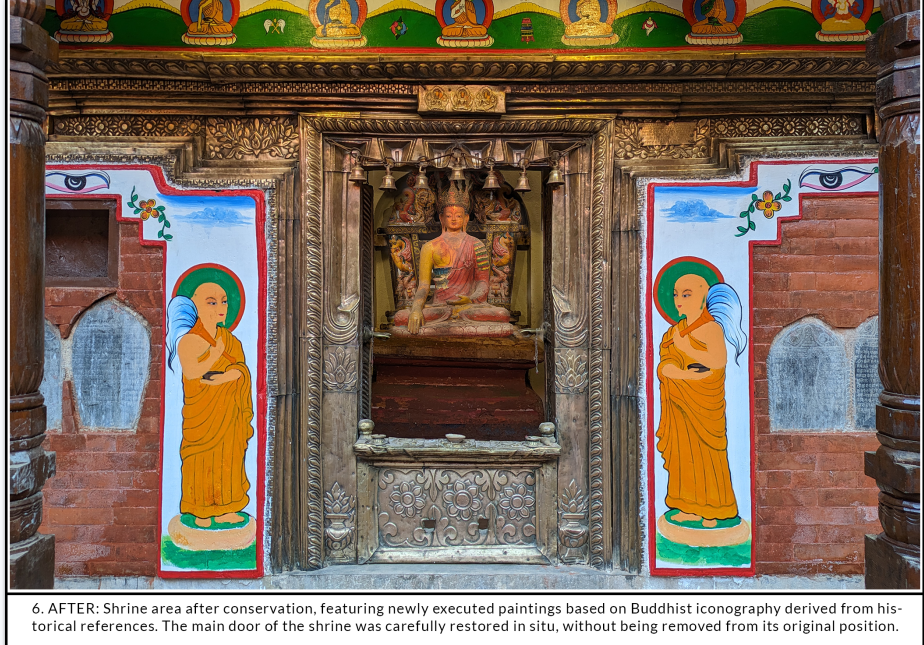
Jestha Varna Mahavihara, Lalitpur — Award of Merit
The conservation of the Jestha Varna Mahavihara in Lalitpur earned an Award of Merit for its careful restoration of a mid-17th century site of profound religious and cultural importance to Nepal's Newar Buddhist community.
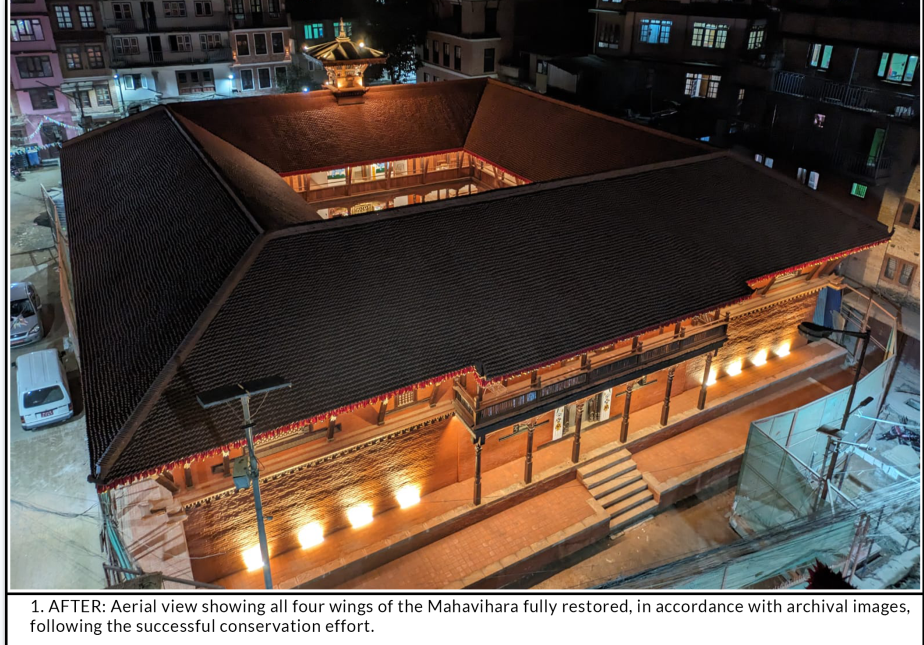
Photo Courtesy: UNESCO
The jury noted that prior to the earthquake, the structure had suffered severe deterioration. The conservation process adopted a holistic approach grounded in archival research, structural repairs, archaeological impact assessment and the preparation of a detailed conservation plan — all contributing to the long-term functionality and resilience of the site.
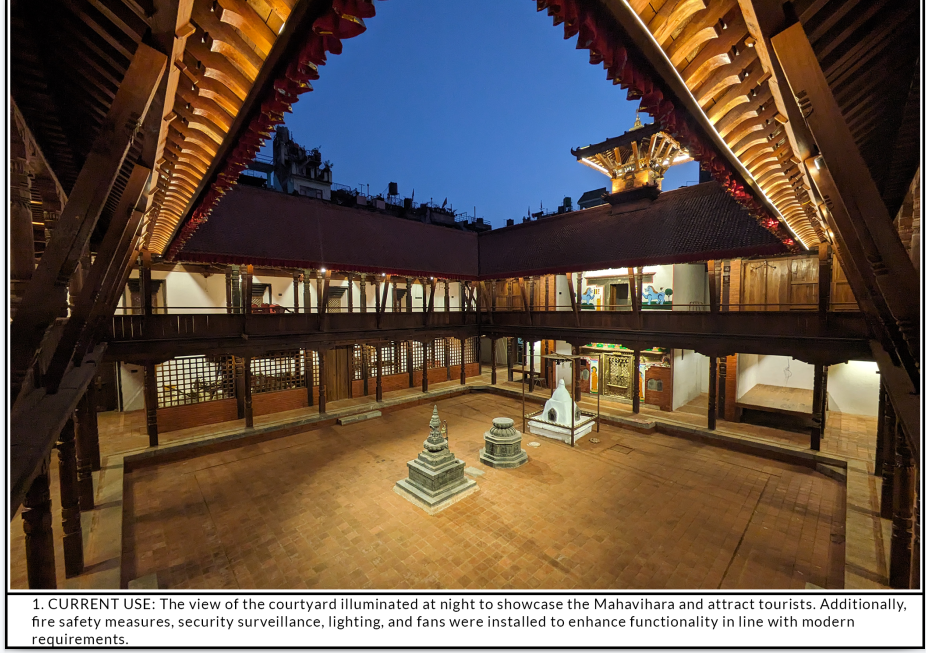
Photo Courtesy: UNESCO
Of particular distinction was the project's commitment to preserving the vihara as a living heritage site. Daily rituals continued uninterrupted throughout the conservation works, central sacred elements were protected, and ongoing maintenance sustains its role as a vital centre of community devotion.
Lowo Nyiphug Namrol Norbuling Monastery, Mustang — Award of Merit with Special Recognition for Sustainable Development
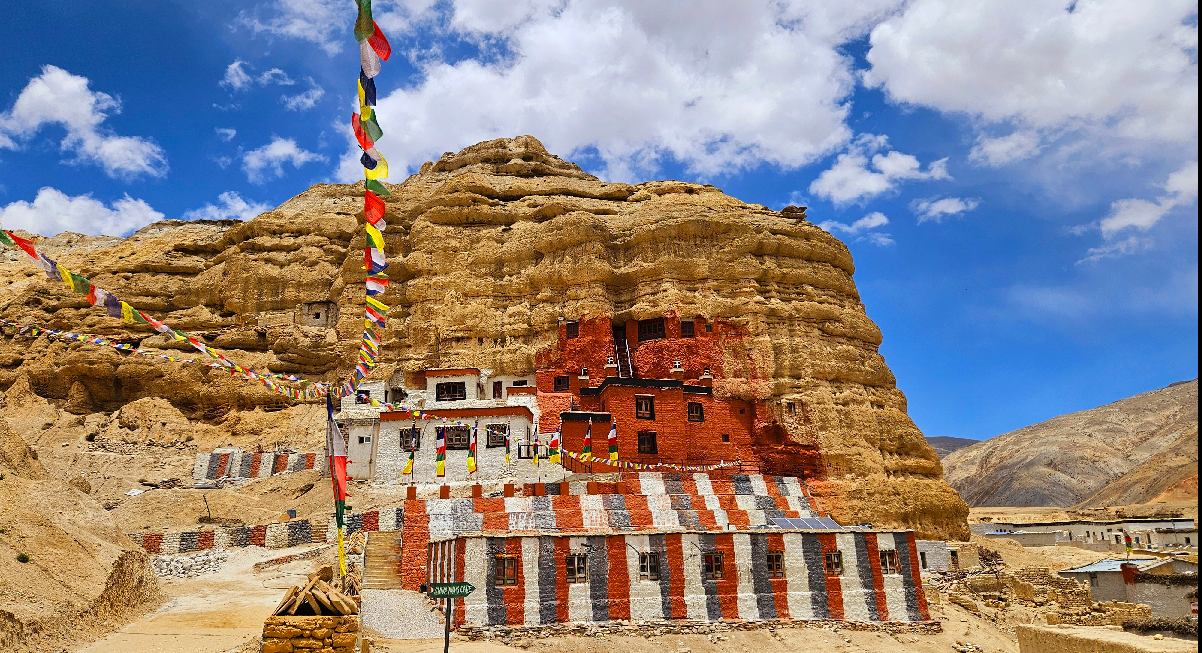
Photo Courtesy: UNESCO
The conservation of the Lowo Nyiphug Namrol Norbuling Monastery in Mustang received an Award of Merit with Special Recognition for Sustainable Development — the higher of the two honours Nepal received this year.
The 500-year-old monastery complex, built and expanded by resident monks, represents a distinctive fusion of Tibetan Buddhist monastic architecture and the Mustang Valley's earlier cave-dwelling traditions. The jury highlighted its significance as a vulnerable earthen architectural typology characteristic of the Tibetan Plateau, increasingly threatened by climate change-driven precipitation.
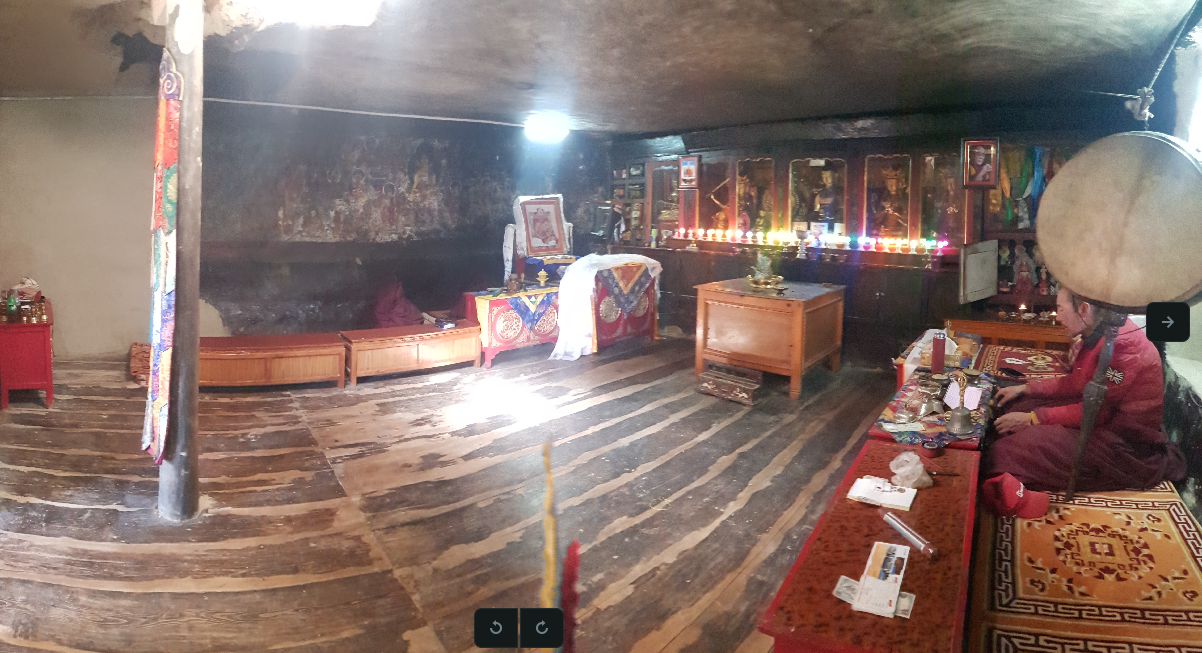
Photo Courtesy: UNESCO
The project stood out for placing traditional construction knowledge at its core, with practitioner-builders from the local monastic community leading the technical work. Implemented in the challenging post-earthquake context, the conservation integrated modern seismic-resistance techniques within a framework deeply respectful of the site's spiritual significance, while also building long-term resilience by enabling the local community to continue stewardship of the monastery.
The UNESCO Asia-Pacific Awards for Cultural Heritage Conservation are among the region's most respected recognitions for excellence in heritage preservation.




Comment